











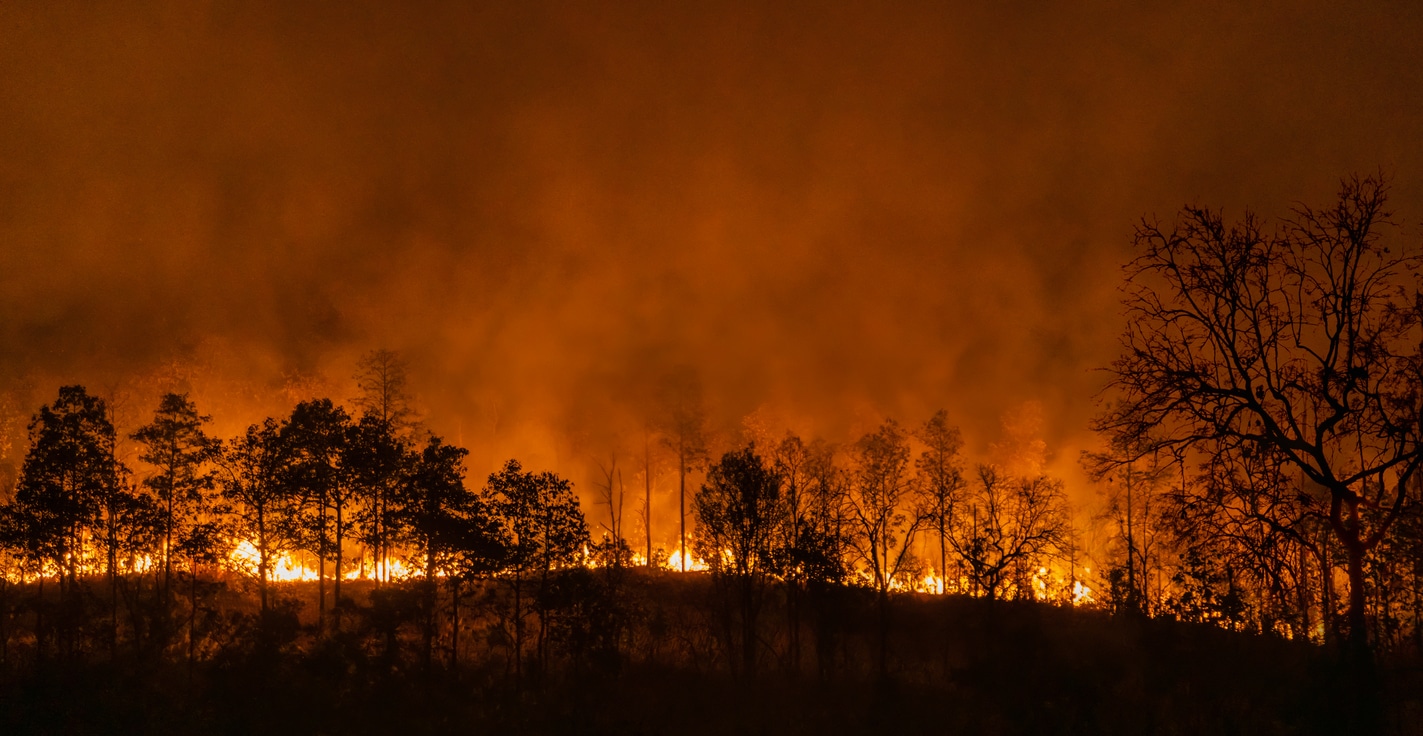
On July 25, 2025, U.S. Senators Martin Heinrich (D-NM) and Tim Sheehy (R-MT) introduced a bipartisan bill titled the Wildfire Insurance Coverage Study Act of 2025. The legislation aims to commission the Government Accountability Office (GAO) to conduct a comprehensive, nationwide analysis of how wildfires have influenced private insurers’ decisions and homeowners’ access to insurance over the past decade.
Purpose of the Legislation
The proposed bill responds to rising concerns among homeowners in wildfire-prone areas who are experiencing increased premiums, policy cancellations, and non-renewals. The GAO study would examine:
- Patterns in insurance rate increases
- Instances of insurers declining to issue or renew policies
- Geographic regions most affected by these trends
- The effectiveness of state-level interventions
Senator Heinrich stated that the legislation is intended to provide a clearer understanding of how climate-driven wildfire risk is impacting the availability and affordability of homeowners insurance.
Current Conditions in New Mexico
According to the New Mexico Office of the Superintendent of Insurance (OSI), approximately 13% of properties in the state are uninsured—the second-highest rate in the United States after Mississippi. OSI data shows that the top 10 insurers in the state have collectively increased homeowners insurance premiums by 60% on average since 2022.
Between January 1, 2021, and July 1, 2024, these insurers also declined to renew over 10,000 policies. The non-renewal rate significantly increased in 2023 and has remained elevated into 2024.
A separate analysis by the Federal Insurance Office found that, in 2022, 152 of 200 New Mexico ZIP codes surveyed had higher-than-average non-renewal rates compared to the national average. The same study found that in 21 ZIP codes, private insurers paid out more in claims and related expenses than they collected in premiums.
Wildfire History and Insurance Impacts
New Mexico’s 2022 wildfire season was its most destructive to date, with the Hermits Peak-Calf Canyon and Black fires each burning over 300,000 acres. More recently, the South Fork and Salt fires in 2024 prompted additional reports of policy cancellations and premium hikes, particularly in the Ruidoso area.
FAIR Plan Reforms
In light of these challenges, state legislators recently proposed updates to New Mexico’s Fair Access to Insurance Requirements (FAIR) plan, the insurer of last resort. Though proposed legislative reforms did not pass, the FAIR plan board independently approved increases to coverage caps:
- From $350,000 to $750,000 for residential properties
- Up to $1 million for commercial properties
OSI estimates that this change could expand the number of policyholders in the FAIR plan from about 7,000 to 11,000.
Additional proposals under discussion include revising the FAIR plan board’s composition to include experts in climate science and disaster response, and requiring homeowners to undertake wildfire mitigation efforts in order to qualify for coverage.
Next Steps
The Wildfire Insurance Coverage Study Act of 2025 has been referred to the Senate Committee on Banking, Housing, and Urban Affairs. OSI Superintendent Alice Kane is expected to provide further updates on wildfire-related insurance developments during a legislative committee meeting in Los Alamos on July 30, 2025. Kendra Zacharias, chair of the FAIR plan board, is also tentatively scheduled to attend.
Stay informed and ahead of the curve — explore more industry insights and program opportunities at ProgramBusiness.com.