











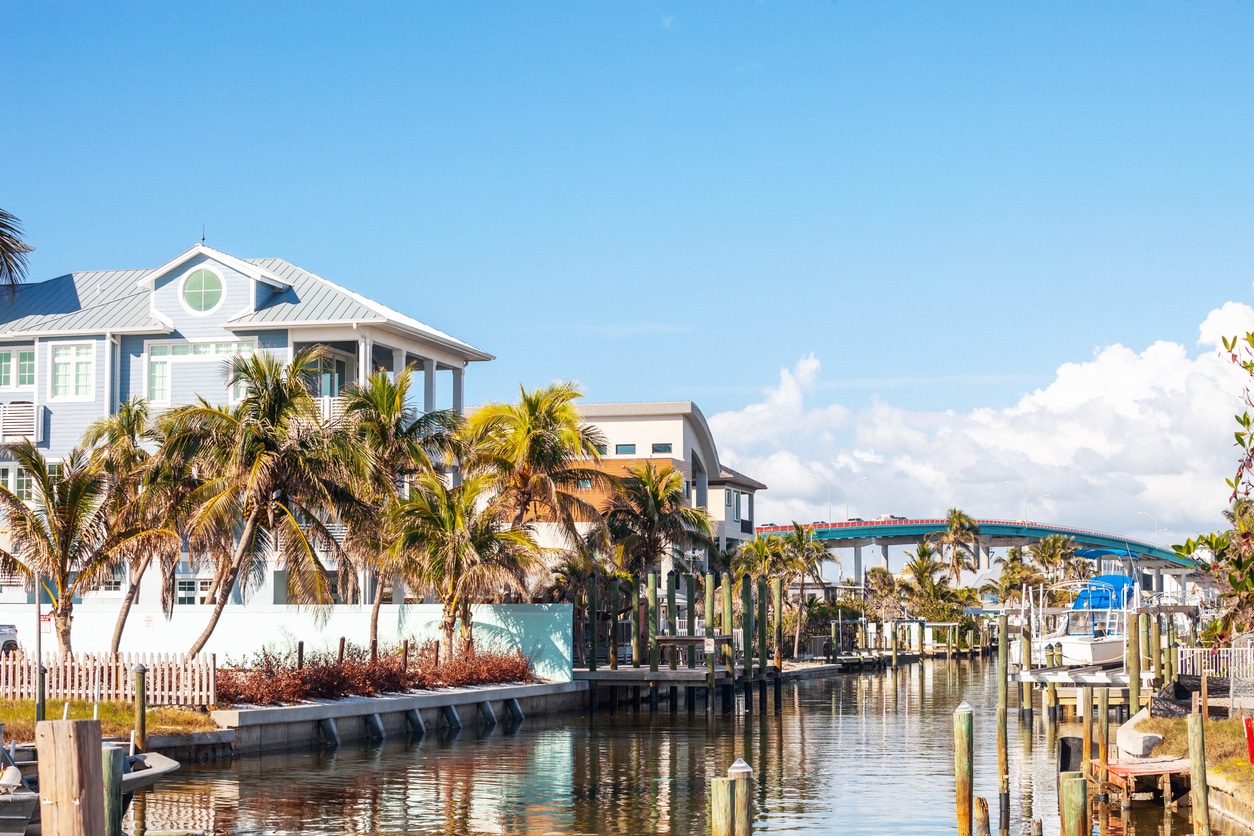
Florida homeowners could soon see some financial relief as one of the state’s largest private property insurers looks to cut premiums. Florida Peninsula Insurance has filed a request with the Florida Office of Insurance Regulation to reduce rates for more than 170,000 policyholders across the state.
Details of the Proposed Reductions
The company is seeking approval for a statewide average decrease of 8.4% for homeowners’ premiums and a 12% reduction for condominium owners. If approved, the insurer says this would mark its largest rate cut to date, with most customers seeing lower premiums later in 2025 or early 2026.
Florida Peninsula Insurance President Clint Strauch attributed the proposal to recent legislative reforms, which he said have reduced frivolous lawsuits and inflated claims. These changes, he noted, have allowed the insurer to pass savings along to policyholders.
Broader Context of Florida’s Insurance Market
Florida residents continue to pay some of the highest home insurance costs in the nation. According to Bankrate, the average annual premium in the state is about $5,730 for $300,000 in coverage — more than double the national average. Another estimate from MoneyGeek places the average closer to $8,770, or more than four times the national figure.
High premiums have been driven by factors such as:
- Geographic exposure to hurricanes and flooding
- Rising reinsurance costs
- Litigation activity
For many, the lack of affordable private coverage has meant relying on Citizens Property Insurance Corp., the state-run insurer of last resort. Citizens managed about 1.4 million policies in 2023, though its caseload has since dropped to just under 780,000 as more private carriers entered the market.
Expert Perspectives on Market Shifts
Charles Nyce, interim executive director of the Risk Management & Insurance Center at Florida State University, described the proposal as a sign of market stabilization. He suggested that as older litigated cases close, more insurers could follow with reductions.
However, Nyce cautioned that two key factors remain outside insurers’ control:
- Storm activity
- Reinsurance costs
Both are closely linked, and a major storm season could quickly reverse recent progress.
Current Hurricane Season Outlook
The 2025 North Atlantic hurricane season is underway, with Hurricane Erin, a Category 4 storm, currently passing the Bahamas. While not expected to make U.S. landfall, Erin is generating hazardous rip currents along the East Coast.
The National Oceanic and Atmospheric Administration (NOAA) has forecast a 50% chance of an above-average hurricane season, projecting up to 18 named storms, of which 5 to 9 could become hurricanes. Between 2 and 5 are expected to strengthen into major hurricanes with winds of 111 mph or higher.
Implications for Florida’s Condo Market
Condominium owners — who would benefit from the proposed 12% premium cut—have faced especially steep financial pressures due to high insurance costs, property taxes, and association fees.
Data from Realtor.com shows:
- Florida condo list prices dropped 3.6% year-over-year, compared to a 1.5% drop for single-family homes.
- Since July 2022, condo prices have declined 17.7%, while single-family homes fell just 1.5%.
Realtor.com senior economist Jake Krimmel noted that lowering insurance costs could help current owners and make condos slightly more attractive to future buyers. Still, he emphasized that rate reductions alone may not be enough to reverse broader trends in the condo market.
Legislative Reforms Driving Change
Florida lawmakers have recently enacted multiple reforms aimed at stabilizing the state’s fragile insurance sector. According to both industry leaders and academic experts, these changes have contributed to:
- Reducing litigation activity
- Encouraging new insurers to enter the market
- Increasing competition among existing carriers
- Helping lower reinsurance costs
Nyce confirmed that these combined factors are beginning to result in premium reductions across the state.
Stay informed and ahead of the curve — explore more industry insights and program opportunities at ProgramBusiness.com.