











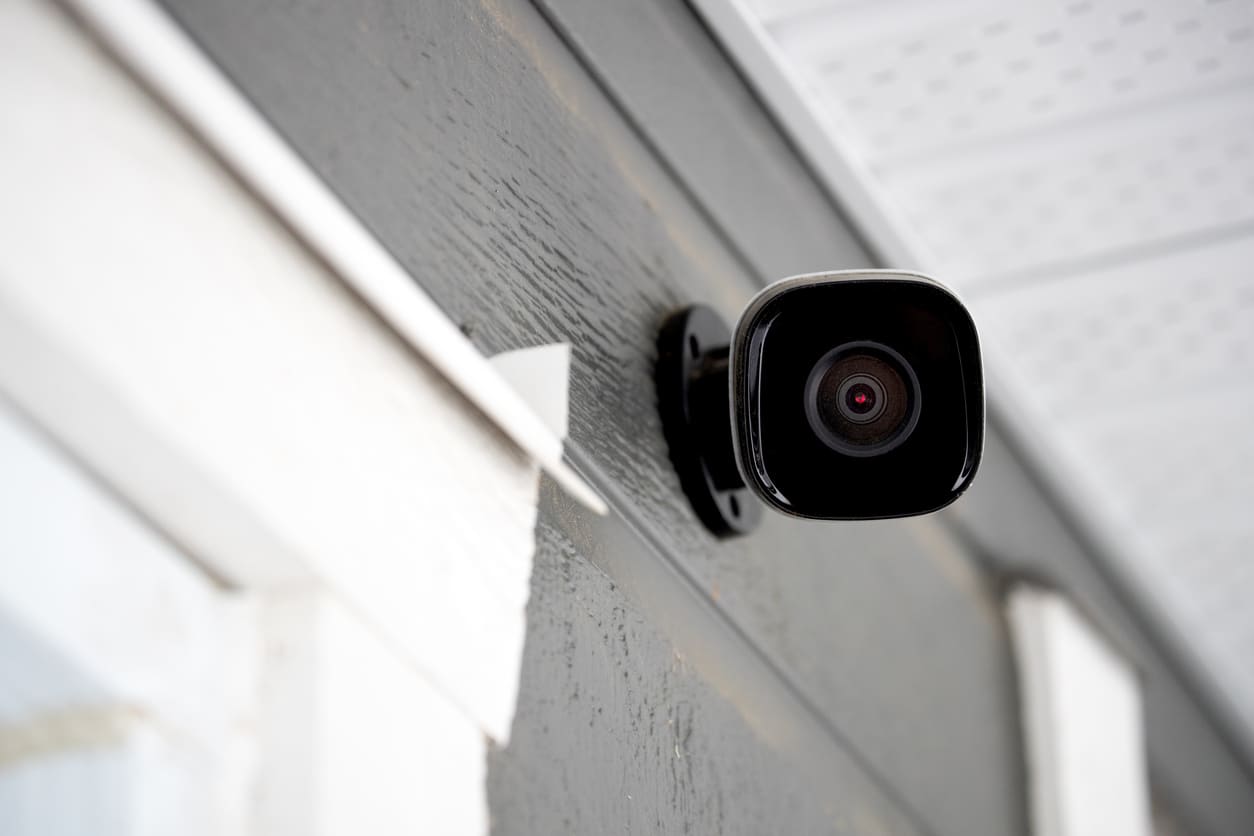
Video recognition technology is becoming an important capability across property and casualty lines, turning passive footage into real-time, auditable signals that help reduce loss, speed up claims, and support prevention efforts.
For years, the insurance industry has demonstrated the value of IoT solutions that rely on specialised sensors such as auto telematics, water and electrical fire mitigation devices, wearables, and industrial monitoring tools. These technologies have influenced core insurance processes, improved customer experience, created new business opportunities, and supported sustainability across multiple business lines.
Video recognition expands this approach by transforming cameras into versatile sensors that feed models at the edge or in the cloud. These models detect objects, behaviours, and events in real time and can trigger immediate action. The main promise of this technology is to prevent incidents, match pricing more accurately to risk by drawing on behavioural evidence, and streamline the claims cycle with objective, video-supported adjudication.
The IoT Insurance Observatory recently published a paper titled Video Recognition: A Necessary AI Capability for the Insurer of the Future. The report outlines why camera-based AI has moved from early pilot programs to a critical capability for insurers across P&C sectors.
Technological progress has driven this shift. Systems have advanced from basic motion detection to deep learning and further into visual language models and conversational interfaces that make video searchable and allow workflows to be automated.
The impact on the insurance value chain includes several areas:
Prevention: real-time detection of risky behaviours and environments, alerts to workers or drivers and coaching based on measured behaviour.
Risk selection and pricing: continuous behavioural signals that sharpen segmentation and reduce premium leakage.
Claims speed and fairness: video evidence that supports first notice of loss, triage, liability evaluation and fraud reduction.
Several case histories illustrate the effectiveness of this approach.
In Japan, Tokio Marine has spent seven years building a dashcam based service called Drive Agent Personal, now used by more than one million personal auto customers. The device integrates video, GPS, accelerometers, LTE connectivity and live voice support. It includes an e call button and offers accident response, real-time prevention alerts and behaviour feedback reports. On the claims side, AI tools reconstruct accidents and estimate fault share, which shortens negotiations and reduces workload. The company reports a 20 percent reduction in loss ratio for customers after enrolment, as well as higher retention and new fee revenue.
In the United States workers compensation market, The Hartford uses vetted computer vision tools alongside its Risk Engineering Organisation. Insights come from existing facility cameras or newly installed ones. The program detects ergonomic issues, powered equipment risks, slip or trip precursors, blocked egress, caught-in hazards, and PPE gaps. These detections lead to prioritised interventions, coaching, and workstation redesign. Automated reports go to customers and the carrier, and real-time notifications can be set. Results include reductions in risky events and ergonomic incidents, supported by continuous monitoring. The insurer’s Connect and Protect programs have shown a clear reduction in claim frequency.
Relyens, a European mutual insurer specialising in medical malpractice, provides hospitals with IoT and AI-driven preventive services. Video recognition supports real-time actions and promotes safer behaviour, which has helped hospitals reduce procedural inconsistencies and address gaps in surgical practices.
For insurers considering integrating this capability, the emerging playbook centers on providing peace of mind, delivering help more quickly, adding a preventive layer to traditional risk transfer, and focusing on improvements that support a stronger loss ratio.
Get the latest insurance market updates and discover exclusive program opportunities at ProgramBusiness.com.