











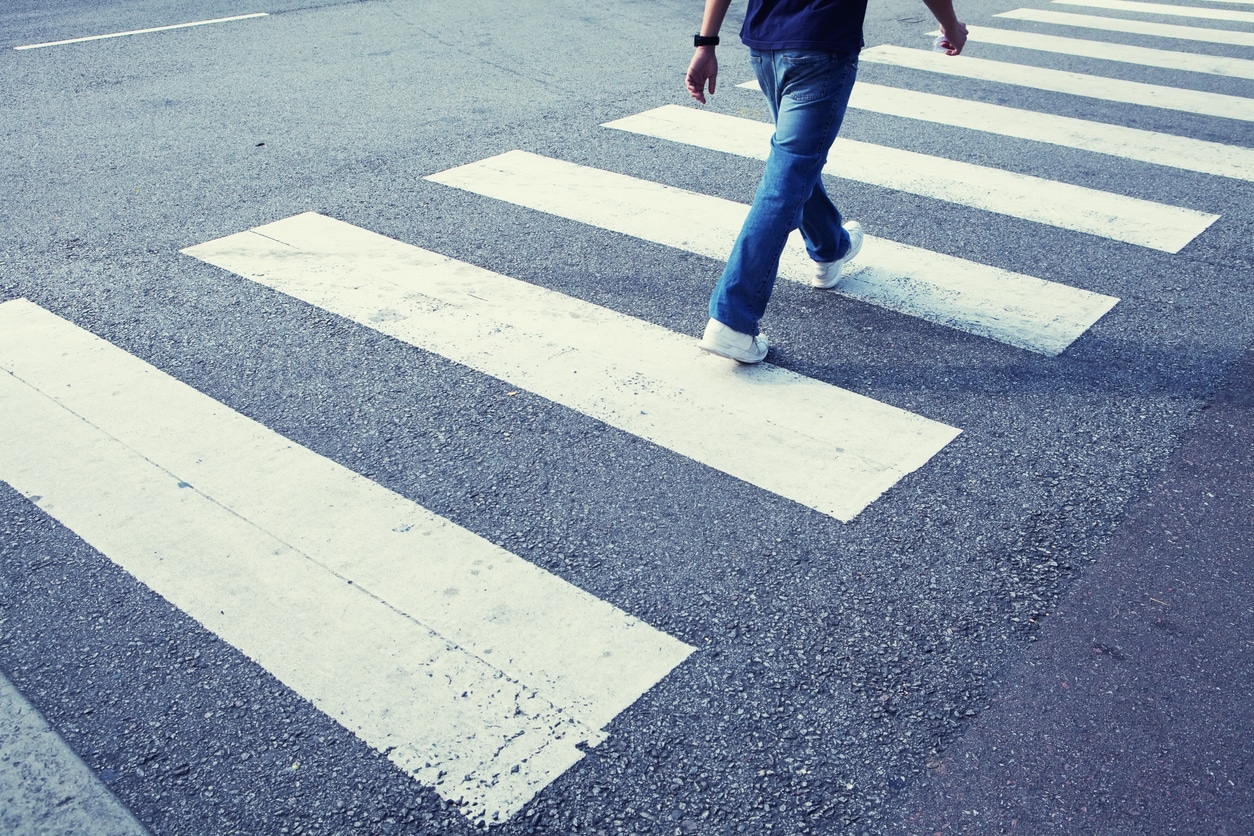
Pedestrian fatalities in the United States have risen sharply over the past decade. Between 2010 and 2023, deaths involving vehicles striking pedestrians increased 70%, climbing from 4,302 to 7,314. This trend runs counter to patterns in other developed countries, where fatality rates declined nearly 30% during the same period.
Where Fatalities Are Concentrated
A significant share of deaths occurred on multilane roads that run through economically distressed neighborhoods and aging commercial areas. These corridors typically feature high travel speeds, limited crossing options, and a lack of infrastructure designed to protect people on foot. Locations with at least three pedestrian deaths within one mile of one another tripled from more than 275 in 2010 to more than 825 in 2023, with the greatest increases in states across the southern half of the country.
Impact of Road Design and Vehicle Size
More than 3,800 pedestrians were killed almost on impact in 2023, reflecting the severity of crashes on high-speed roads. Larger and heavier vehicles with tall front ends contribute to more forceful impacts, and nighttime conditions further reduce visibility. On roads with three lanes or more, speeds often exceed 30 miles per hour, a threshold where fatality risk rises sharply. At 50 miles per hour, the likelihood of survival for a struck pedestrian is less than one in five.
Shifts in High Risk Areas
Dangerous corridors are increasingly located outside traditional downtowns. Many were built decades ago to connect towns before interstates existed. As commercial and residential development expanded around them, these roads now serve destinations such as fast food restaurants, convenience stores and supermarkets. Signals with crosswalks can be spaced up to a mile apart, encouraging midblock crossings. Designs that prioritize vehicle flow also result in more severe crashes.
Demographic and Socioeconomic Patterns
Fatalities occur disproportionately in neighborhoods with higher poverty rates and limited access to vehicles. Nearly one fifth of households surrounding high death clusters do not own a car, more than double the rate in other areas. Fatality rates are also higher among certain demographic groups, including Black and Native American pedestrians.
Agency Actions and Funding Trends
State and local transportation agencies have been slow to implement safety improvements, despite evidence of concentrated risk on specific roads. While federal programs have supported some pedestrian safety initiatives, most funding is not tied to specific safety outcomes. Some grants awarded in recent years were later withdrawn, and several states reduced funding levels for pedestrian projects after temporary increases.
Identified High Risk Networks
State-level analyses found that serious pedestrian crashes occurred on less than 1% of the roadway network, underscoring how a small number of corridors account for a large share of fatalities. Recommendations included lowering speed limits and expanding pedestrian infrastructure, although improvement plans for some of the most hazardous segments have not been advanced.
How the Data Was Analyzed
The findings, reported in The Washington Post, are based on the Fatality Analysis Reporting System, covering the period from 2010 to 2023. Nearly six million one-mile-wide hexagons were used to map deaths from 2021 to 2023, identifying clusters with three or more fatalities or adjacent areas with at least two each. Researchers then paired these clusters with Census Bureau data to gain a better understanding of the characteristics of the neighborhoods where deaths are concentrated.
Get the latest insurance market updates and discover exclusive program opportunities at ProgramBusiness.com.