











Amwins has released its State of the Market Report: A Focus on the Energy Marketplace as part of two State of the Market 2025 reports, with the other focused on healthcare. The energy report shows a clear split heading into 2026, as the property side softens while casualty conditions remain tight. It highlights softening property trends across downstream, midstream, and power, alongside rising severity and litigation costs that are inflating casualty claims and shaping insurer efforts to manage volatility. The report also notes that accelerated energy demand is influencing underwriting, with population growth, elevated temperatures, and expanding energy use from artificial intelligence, electric vehicles, and cryptocurrency mining contributing to the risk environment in the property market.
The energy insurance market enters 2026 after two years of disruption and adjustment. Property lines now benefit from abundant capacity and strong competition, while casualty lines remain tighter. Underwriters continue to hold firm on limits and retentions in casualty, and this contrast is expected to persist as the energy sector responds to rapid technological and operational change.
Market Conditions Heading Into 2026
After widespread turbulence, the energy market moves into 2026 with renewed competition in some areas and selective underwriting discipline in others. Rates broadly soften in downstream property and professional lines. At the same time, casualty markets continue to face social inflation, nuclear verdicts, and higher loss severity. Early 2025 began with notable losses, which slowed the pace of softening temporarily but did not reverse it. As a result, insureds should expect a continued split between property and casualty conditions in 2026.
Downstream Energy Property Sector Stabilizes
On the property side, the downstream energy market continues to soften. Several years of correction set the stage for more consistent rate relief in 2025. Capacity expanded, and insurer profitability improved after a benign 2024 loss year. Refinery losses at PBF Energy’s Martinez facility and Varo Energy’s Bayernoil facility early in 2025 produced large industry losses. Even so, rate reductions continued because overall insurer profitability remained positive.
Through the balance of 2025, the downstream property market keeps an optimistic outlook, supported by an oversupply of capacity across nearly all segments. Rates remain soft, with reductions reaching as high as 20 percent in some placements. However, non-catastrophe losses have already exceeded the total global premium for the downstream sector. In addition, several large natural catastrophe events have increased attention on the 2025/2026 reinsurance treaty renewals and early 2026 placements. These renewals may indicate whether the market shifts toward more disciplined rating.
Capacity remains plentiful, and underwriters now deploy larger line sizes for well-engineered, loss-free risks. Oversubscription has become common, and even maintaining market share has become difficult. Soft-market incentives have returned, including long-term agreements and no-claims bonuses. Underwriters are also considering loosening retention levels and margins on key clauses such as Business Interruption Volatility.
At renewal, underwriters are paying closer attention to contractor performance and oversight, plus supply chain issues that have contributed to recent loss events. Therefore, insureds should expect more scrutiny around safety procedures, vendor qualifications, and risk management frameworks. Despite this greater examination, strong competition remains in place for larger projects.
Power and Renewables
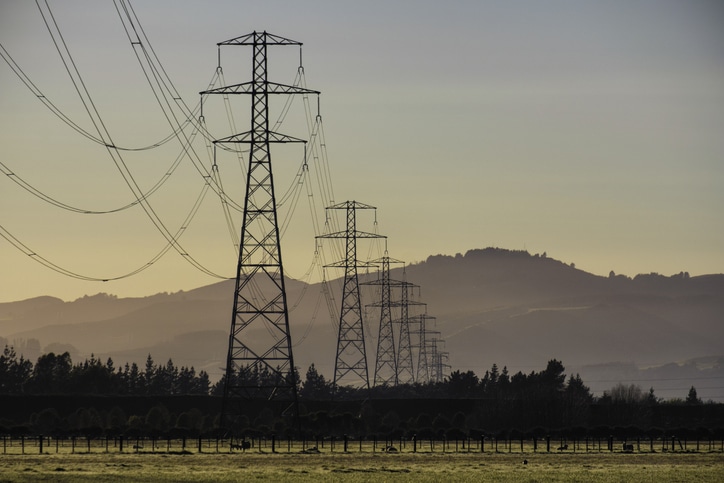
The property-driven power segment continues to face risks tied to rising demand and technological change. Population growth, elevated temperatures, and energy consumption from artificial intelligence, electric vehicles, and cryptocurrency mining are straining power infrastructure. These pressures contribute to higher attritional losses.
Battery storage and solar installations continue to expand. Insurers support proven technologies that show robust loss control. However, new or untested technologies still face tighter terms and limited capacity. The growing frequency of insured SCS events remains a challenge for insurers. While capacity for these risks has increased, losses have led insurers to differentiate more sharply between individual projects and operators, especially in the solar industry.
Insurers are using more sophisticated data analytics and AI-driven modeling to assess and price exposures in this segment. Because of this shift, insureds should expect more detailed information requests during submission and renewal in order to secure optimal terms.
Midstream Sector Faces Capacity Rebalancing
In midstream property insurance, the market is showing rate relief. Competition from new entrants and expanded domestic capacity supports this movement. Still, conditions remain segmented. High-quality, well-managed assets are seeing rate decreases, while loss-affected risks face stricter underwriting review.
On the casualty side, the midstream market continues to deal with higher severity and litigation costs. Nuclear verdicts, third-party litigation funding, and social inflation are driving claims inflation. These factors limit the extent of rate softening. Carriers are tightening appetites, reducing limits, and applying higher attachment points to manage volatility.
Jurisdictional challenges are most pronounced in Texas and Louisiana. Plaintiff-friendly venues in these states have produced pricing pressure and reduced capacity. Although M&A activity has slowed due to regulatory scrutiny, midstream activity remains steady. New projects and asset expansions continue to support demand for coverage.
The casualty energy market is beginning to flatten in terms of rate movement. Loss trends and auto exposures keep pricing modestly positive, while new capacity steadily enters the U.S. domestic market. As loss development from 2020 through 2024 continues to build, underwriters are expected to hold rates near flat into 2026 rather than shift direction.
Upstream Energy Sector Confronts Limited Capacity
In upstream casualty, reduced participation by long-standing carriers has created challenges for large accounts that need significant limits. With fewer active markets, insureds rely more frequently on multi-carrier placements. Legal and jurisdictional severity in Texas and Louisiana continues to shape pricing and limit deployment.
Even with these pressures, the upstream segment remains stable overall. Pricing discipline is expected to continue into 2026. Reinsurance support and strong demand balance the current capacity constraints.
Professional Lines: Stable D&O and Soft Cyber Conditions
Professional and financial lines remain favorable. Directors and Officers insurance stays stable, supported by ample capacity and rate decreases for well-capitalized companies. Underwriters remain cautious with debt-leveraged or financially strained accounts. They maintain selectivity, yet they continue to compete for quality business.
Cyber insurance remains one of the softest markets in the energy sector. Premiums are generally flat or slightly down year over year. Increased insurer confidence in underwriting controls and improved claims experience support these conditions. Ransomware and class action privacy litigation continue to pose risks, although market sentiment remains stable. Capacity and competition continue to outweigh claim volatility in the near term.
London Energy Market
The London energy market continues to serve as a key hub for complex and international placements. It features strong capacity, competitive pricing, and ongoing personnel movement among underwriters and brokers. By the end of 2024, downstream property in London entered a sustained softening phase after a profitable year.
On the property side, rates are down by double digits, supported by abundant capacity, especially for well-engineered risks. In London, the Managing General Agent space continues to expand. This trend differs from the U.S. market, where capacity has contracted.
In casualty, social inflation and third-party litigation funding continue to pressure loss ratios. Even so, London markets remain willing to support higher limits for well-performing accounts. The market has not introduced new widespread exclusions. However, underwriters continue to focus on PFAS and cyber exposures.
Overall, London markets remain competitive and capacity-rich through 2025. Market participants are watching 2026 placements to see how these trends develop.
Takeaway for Insurance Professionals
The energy insurance market moves into 2026 with a clear divide between property and casualty dynamics. Property markets across downstream, midstream, and power are broadly softening because abundant capacity drives competition. In contrast, casualty markets remain disciplined due to ongoing legal and claims pressures.
As energy demand accelerates, underwriting behavior will continue to reflect growing use of AI-driven loss control systems, expansion in thermal and renewables power development, and new technologies across the sector. Market stability will depend on how underwriters balance discipline with capacity deployment while addressing emerging risks.
Amwins reports that it supports partners through market insight, proactive renewal strategies, and customized placement solutions. Its energy specialists work with retailers and insureds to anticipate change, protect portfolios, and respond to shifting conditions in the global energy marketplace.