












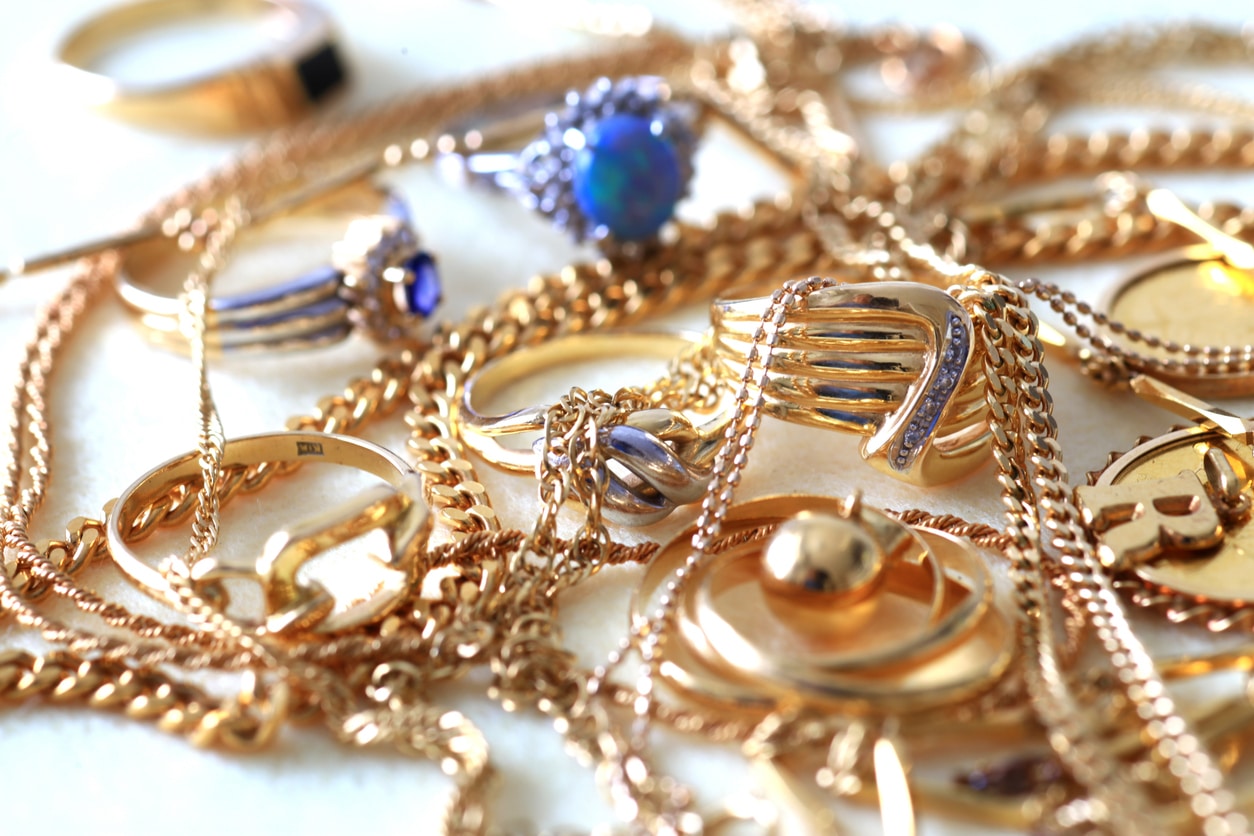
Gold and other precious metals have surged in value over the past year, and that rise is creating a practical coverage question for homeowners and renters with jewelry. A recent CNBC article reports that jewelry owners may want to review their homeowners insurance limits and consider whether additional protection is needed, especially for higher-value pieces.
Precious Metal Prices Are Rising Quickly
Gold prices have climbed sharply. The cost of a troy ounce, which equals 31.1 grams, is up about 58% over the last year to roughly $4,200 in Monday morning trading. Other metals used in jewelry have also experienced significant price increases during the same period. Platinum has increased about 76% to around $1,651 per troy ounce. Silver has climbed about 84% to about $58 per troy ounce. Looking longer term, gold’s price has increased roughly 1,400% since 2000. Over the same timeframe, the Standard & Poor’s 500 index has gained approximately 382%.
These increases matter for insurance because the replacement cost of jewelry today may exceed older appraisals. Loretta Worters, spokesperson for the Insurance Information Institute, said a piece bought or last appraised years ago could now cost significantly more to replace.
Gold Jewelry Leads The Market
Gold jewelry represents the largest share of the global jewelry market. Grand View Research found that gold jewelry accounted for 54.9% of the $366.8 billion global jewelry market in 2022. Retail prices are generally higher than the intrinsic value of the metal, although the difference varies depending on the quality and gold content.
The commonly referenced spot price applies to pure gold, or 24 karat gold, which is soft and malleable. Therefore, jewelry makers mix gold with other metals, often silver, zinc, or copper, to strengthen pieces or change their hue. For example, 14 karat gold jewelry is 58.3% gold, while 10 karat is 41.7% gold. As karat increases, gold content and intrinsic value also rise.
Standard Policies Have Low Jewelry Limits
Even as values rise, homeowners and renters policies often provide limited jewelry coverage. Most policies cover jewelry as personal property for common risks, such as theft or fire, but they typically apply special limits, usually around $1,000 to $2,500 in total. They also typically do not cover accidental loss or wear and tear, according to Sarah Cast, Specialty Lines Vice President at Allstate.
Cast added that owners of higher-value pieces should check policy limits and consider options to fill coverage gaps, particularly with gold values climbing.
Scheduling And Updated Appraisals
Owners may add a rider to an existing policy or buy a standalone jewelry policy. However, because some options impose per-piece limits, owners should confirm the value of each item. Worters said many insurers and advisors recommend reappraising jewelry every few years, especially when market conditions shift.
For high-value items, owners may want to schedule them for pickup. Scheduling involves creating a detailed list of each piece, including photos, an appraisal or sales receipt, and the cost to replace it. Coverage can range from a few thousand dollars to hundreds of thousands of dollars, depending on the items and insurer. Deductibles typically do not exceed $500, and premiums usually range from 1% to 3% of the insured value annually. Scheduled coverage may also include broader protections such as mysterious disappearance, accidental loss, and sometimes damage. Some valuable articles’ policies can automatically adjust for rising value under certain conditions.
Cast advised owners to take inventory with photos and appraisals, store documents safely, and then review policy details with an insurer or agent to decide whether to add protection or purchase separate coverage.
Get the latest insurance market updates and discover exclusive program opportunities at ProgramBusiness.com.