











New legislation introduced in California would make significant changes to the state’s FAIR Plan, as regulators and lawmakers seek to address operational and governance concerns identified by the California Department of Insurance.
On Feb. 2, California Insurance Commissioner Ricardo Lara and Assemblymember Lisa Calderon announced the Make It FAIR Act, also known as AB 1680. The bill proposes a series of reforms intended to improve customer service, claims handling, and transparency within the California FAIR Plan.
“Californians need a reliable and dependable source of insurance in good times and bad times,” Calderon said in a statement. “The California FAIR Plan is our property insurance safety net, and we need this association to work for all Californians.”
Bill Would Require Operational, Financial, And Transparency Reforms
If enacted, the legislation would require the FAIR Plan to introduce a more comprehensive homeowners policy. Currently, policyholders must purchase an additional policy to obtain coverage for water damage, liability when someone is injured on their property, and other protections that are typically standard in the admitted market.
The bill would also require the FAIR Plan to create a formal capital and liquidity management plan. Lawmakers said the measure would increase protection against major wildfires and storms. In addition, the FAIR Plan would need to adopt a climate risk assessment using standards established by the National Association of Insurance Commissioners.
Staffing and planning requirements are also included. The legislation would require the FAIR Plan to hire additional staff to address claims and complaints more quickly and to adopt a strategic plan covering a three to five-year period.
Governance changes would expand public access to the FAIR Plan’s governing process. Under the bill, meetings and documents from the governing committee and its subcommittees would be made publicly accessible. The FAIR Plan would also be required to publish an annual report that includes governance updates, premium rate information, catastrophe response plans, and other operational details.
In addition, the bill would require the FAIR Plan to expedite policyholders’ return to the admitted market by using clearinghouse programs created by the state legislature.
Regulators Cite Department Of Insurance Examination Findings
Supporters of the legislation said the proposed reforms are drawn from a recent Report of Examination issued by the California Department of Insurance. According to the department, the report identified systemic problems within the FAIR Plan’s operations and governance.
Those issues, the report found, contributed to delays, denials, and inconsistent claims decisions. Regulators noted that these challenges particularly affected policyholders impacted by the 2025 Los Angeles wildfires.
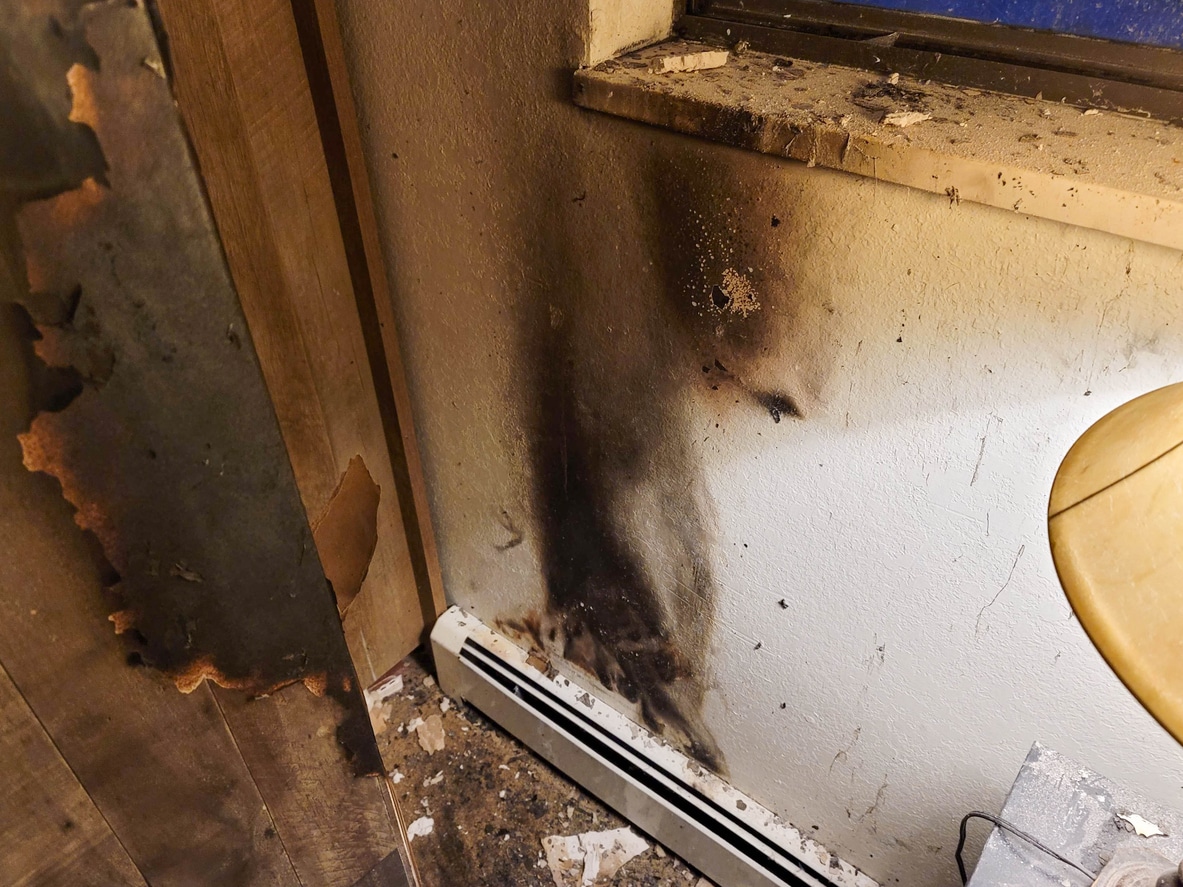
The Department of Insurance has taken formal legal action against the FAIR Plan over smoke damage claim denials. Hearings in that case are scheduled for later this year.
“Since my first year in office, I’ve pushed the FAIR Plan to modernize, expand coverage, meet basic customer service standards, and treat policyholders fairly, yet its governing board has resisted key reforms and continues to fight others in court,” Lara said in a statement. “The Southern California wildfires and the smoke damage crisis didn’t create these failures; they exposed them.”
Industry Group Raises Concerns About Market Impact
Not all industry stakeholders support the proposed reforms. The American Property Casualty Insurance Association has said it opposes the legislation.
“This legislation is a lose-lose for Californians,” said Nicole Ganley, APCIA assistant vice president for public affairs, in a statement. “Mandates like these are the root cause of California’s insurance crisis. Expanding coverage without sustainable pricing and adequate reserves ultimately reduces consumer choice and strains the entire market.”
Ganley said California should instead focus on sustainable reforms for the state’s insurance market. She also emphasized the original purpose of the FAIR Plan.
“The FAIR Plan was designed to serve as an insurer of last resort, not to replace a healthy private market or take on risks it was never built to support,” she said.