











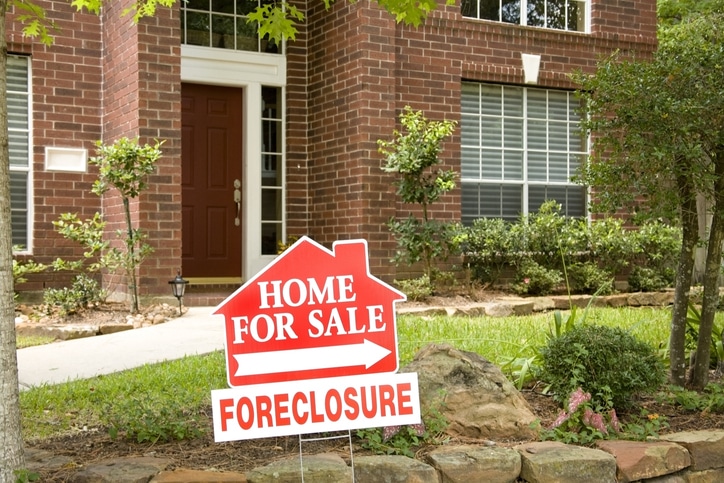
LegalShield data shows a sharp increase in legal requests tied to housing and debt, indicating rising financial pressure among American households. In the first quarter of 2026, foreclosure-related inquiries reached their highest level since March 2020.
The Foreclosure Index rose 13.4% in March alone and is up 20.3% over the past year. This increase reflects a shift from financial concern to legal action. At the same time, LegalShield’s Consumer Stress Legal Index (CSLI), which tracks legal activity across foreclosure, bankruptcy, and consumer finance, stands at 72.9. That figure is up 11.6% year over year, though down 1.9% for the quarter due to a temporary drop in activity during tax refund season.
The Bankruptcy Index also continues to rise. It increased 2.0% in the first quarter to 39.3 and is up 8.0% compared to March 2025. Since the Federal Reserve began raising interest rates in 2022, the index has more than doubled. LegalShield identifies this measure as a leading indicator of bankruptcy filings, typically by two quarters.
Search data reflects similar trends. Google Trends shows that searches for “help with mortgage” reached an all-time high in the first quarter. While searches indicate concern, LegalShield’s data captures when consumers contact attorneys, marking a move toward legal intervention.
Housing costs remain a key driver of financial strain. According to LegalShield, increases in escrow payments tied to homeowners insurance and property taxes are raising monthly mortgage costs. A March 2026 study from the Federal Reserve Bank of Dallas found that homeowners insurance premiums rose about 70% nationwide between 2019 and 2025. These premiums now account for 14% of the average monthly mortgage payment, up from 10% in 2013. The study also found a direct link between rising premiums and mortgage delinquency.
Other housing indicators show declines. The Housing Construction Index fell 3.4% in the first quarter and 4.2% year over year. The Housing Sales Index, which tracks inquiries about existing home sales, declined 2.4% in the quarter.
Consumer finance activity shows a temporary shift. The Consumer Finance Index dropped 6.7% in the first quarter to 107.8, but remains 10.1% above its March 2025 level. LegalShield reports that tax refunds create a short-term reduction in financial stress each first quarter, though the effect does not last.
LegalShield’s Consumer Stress Legal Index is based on more than 150,000 monthly legal service requests and 36 million behavioral records dating back to 2002. The data tracks real-time demand for legal services and reflects consumer actions rather than sentiment.
Stay informed and ahead of the curve — explore more industry insights and program opportunities at ProgramBusiness.com.