











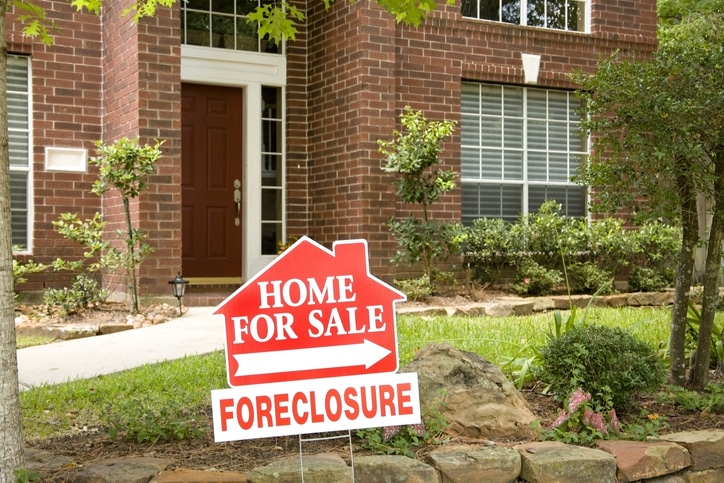
Foreclosure activity in the United States reached its highest level in six years during the first quarter of the year, according to recent data from Attom. Nearly 119,000 properties had a foreclosure filing during the period, a 26% increase from the same quarter last year.
This rise represents the highest level since the first quarter of 2020. At that time, mortgage relief programs introduced during the COVID-19 pandemic contributed to a sharp decline in foreclosure activity. With those programs no longer in place, foreclosure rates have moved closer to levels seen before the pandemic.
Analysts indicate that the increase reflects a normalization of foreclosure activity rather than a widespread deterioration in borrower financial health. However, several cost pressures are contributing to financial strain for homeowners.
Rising homeownership-related expenses have become a key factor. Insurance premiums, property taxes, and homeowners association dues have all increased in recent years. A report from Insurify shows that the average annual homeowners insurance premium reached $2,948 in 2025, a 12% increase from 2024. At the same time, Attom data indicates that the average property tax burden rose 3% to $4,427.
These additional costs are affecting homeowners even when mortgage rates remain relatively low. Many borrowers secured loans before 2022 with interest rates of 4% or less. Despite these favorable rates, the rise in non-mortgage housing expenses has increased overall monthly obligations.
Newer homeowners may face additional challenges. Those who purchased properties in recent years often did so at higher mortgage rates. In some markets, declining home values have created situations where borrowers owe more than their homes are worth. This can limit refinancing or sale options and increase the risk of delinquency.
At the same time, available relief options have narrowed. Many pandemic-era foreclosure prevention programs have expired. Federal guidelines have also changed. For example, the Federal Housing Administration announced in October that homeowners can access loan modification options only once every 24 months. This restriction reduces borrowers’ flexibility in avoiding foreclosure.
Broader mortgage payment trends also reflect increasing costs. Realtor.com data shows that the average monthly payment across all outstanding mortgages reached $2,005 in the fourth quarter of last year. This figure includes both long-term homeowners with lower rates and newer borrowers facing higher borrowing costs.
For new homebuyers, monthly payments have been elevated for several years. The average payment for newly originated mortgages first exceeded $2,000 in September 2022 and has remained at higher levels since then due to elevated interest rates.
Overall, foreclosure data suggests a shift in market conditions as pandemic-related supports fade and housing-related expenses rise. While current levels align more closely with historical norms, cost pressures tied to insurance, taxes, and other ownership expenses continue to influence borrower outcomes.
Get the latest insurance market updates and discover exclusive program opportunities at ProgramBusiness.com.