











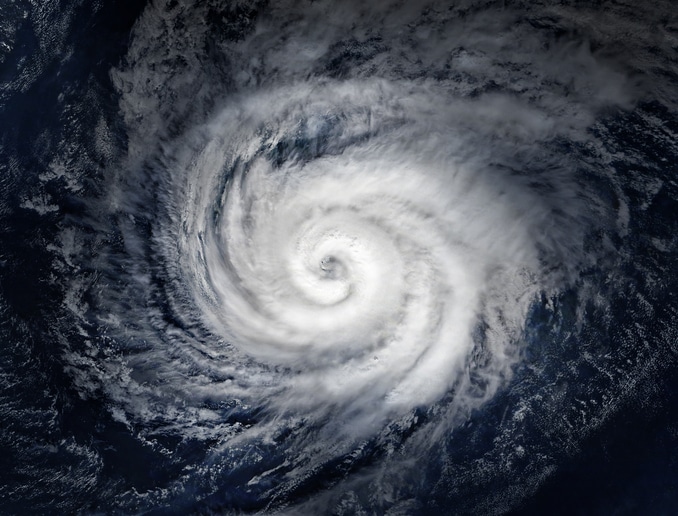
Colorado State University’s Department of Atmospheric Science has released its 2026 Atlantic hurricane season forecast, projecting a somewhat below-average season. The Atlantic hurricane season runs from June 1 through Nov. 30.
The forecast, led by senior research scientist Phil Klotzbach, Ph.D., estimates 13 named storms, six hurricanes, and two major hurricanes for 2026. In comparison, a typical Atlantic season produces 14 named storms, seven hurricanes, and three major hurricanes.
Key Factors Behind the Forecast
Researchers point to expected climate conditions as a primary driver of the forecast. According to Klotzbach, a moderate to strong El Niño is anticipated during the peak of the season. El Niño typically reduces Atlantic hurricane activity by increasing vertical wind shear.
In addition, water temperatures in the tropical Atlantic are currently near average. As a result, researchers do not expect ocean temperatures to contribute as strongly to hurricane development as they did in recent years, when temperatures were significantly above average.
Review of the 2025 Hurricane Season
The 2025 Atlantic hurricane season was classified as above normal based on the number of major hurricanes and Accumulated Cyclone Energy. The season included 13 named storms, five hurricanes, and four major hurricanes. Major hurricanes are defined as Category 3, 4, or 5 storms on the Saffir-Simpson Hurricane Wind Scale.
Only one storm made landfall in the United States in 2025. Tropical Storm Chantal struck the South Carolina coast on July 6.
Hurricane Melissa was the most significant storm of the season. It made landfall in Jamaica as a Category 5 hurricane, caused nearly $9 billion in damage, and resulted in 95 fatalities across the Caribbean.
Landfall Probabilities for 2026
CSU’s forecast also outlines the probability of major hurricanes making landfall in 2026:
- 32% for the entire U.S. coastline, compared to a historical average of 43% from 1880 to 2020
- 15% for the U.S. East Coast, including the Florida peninsula, compared to a historical average of 21%
- 20% for the Gulf Coast from the Florida panhandle to Brownsville, Texas, compared to a historical average of 27%
- 35% for the Caribbean, compared to a historical average of 47%
Preparedness Remains Important
Although the forecast calls for below-average activity, experts emphasize the importance of preparation. Sean Kevelighan, CEO of the Insurance Information Institute, noted that even one storm can have a significant impact.
He advised homeowners and business owners to review their insurance policies with a professional to ensure they have appropriate coverage for both wind and water damage. Flood coverage is not included in standard homeowners, renters, condo, or business insurance policies, so policyholders may need to purchase it separately.
Flood insurance is available through FEMA’s National Flood Insurance Program and private insurers.
Strengthening Property and Financial Protection
Homeowners can take steps to improve property resilience. Installing roof tie-downs, effective drainage systems, wind-rated garage doors, and storm shutters can help reduce damage from high winds and heavy rain. These upgrades may also lead to savings on insurance premiums.
For vehicle protection, damage caused by wind or flooding is covered under the optional comprehensive portion of an auto insurance policy. Approximately 75% of U.S. drivers carry comprehensive coverage.
About the Insurance Information Institute (Triple-I)
Since 1960, the Insurance Information Institute (Triple-I) has been the trusted voice of risk and insurance, delivering unique, data-driven insights to educate, elevate, and connect consumers, industry professionals, policymakers, and the media. An affiliate of The Institutes, Triple-I represents a diverse membership accounting for nearly 50% of all U.S. property/casualty premiums written. Our members include mutual and stock companies, personal and commercial lines, primary insurers and reinsurers – serving regional, national and global markets. Brokers, agents, consultants, educators, and other insurance industry professionals are among Triple-I’s associate members.
About The Institutes
The Institutes is a not-for-profit comprised of diverse affiliates that educate, elevate, and connect people in the essential disciplines of risk management and insurance. Through products and services offered by The Institutes’ 20 affiliated business units and backed by more than 115 years of experience as a trusted knowledge partner, we empower people and organizations to help those in need, focusing on understanding, predicting, and preventing losses to create a more resilient world.
Get the latest insurance market updates and discover exclusive program opportunities at ProgramBusiness.com.