











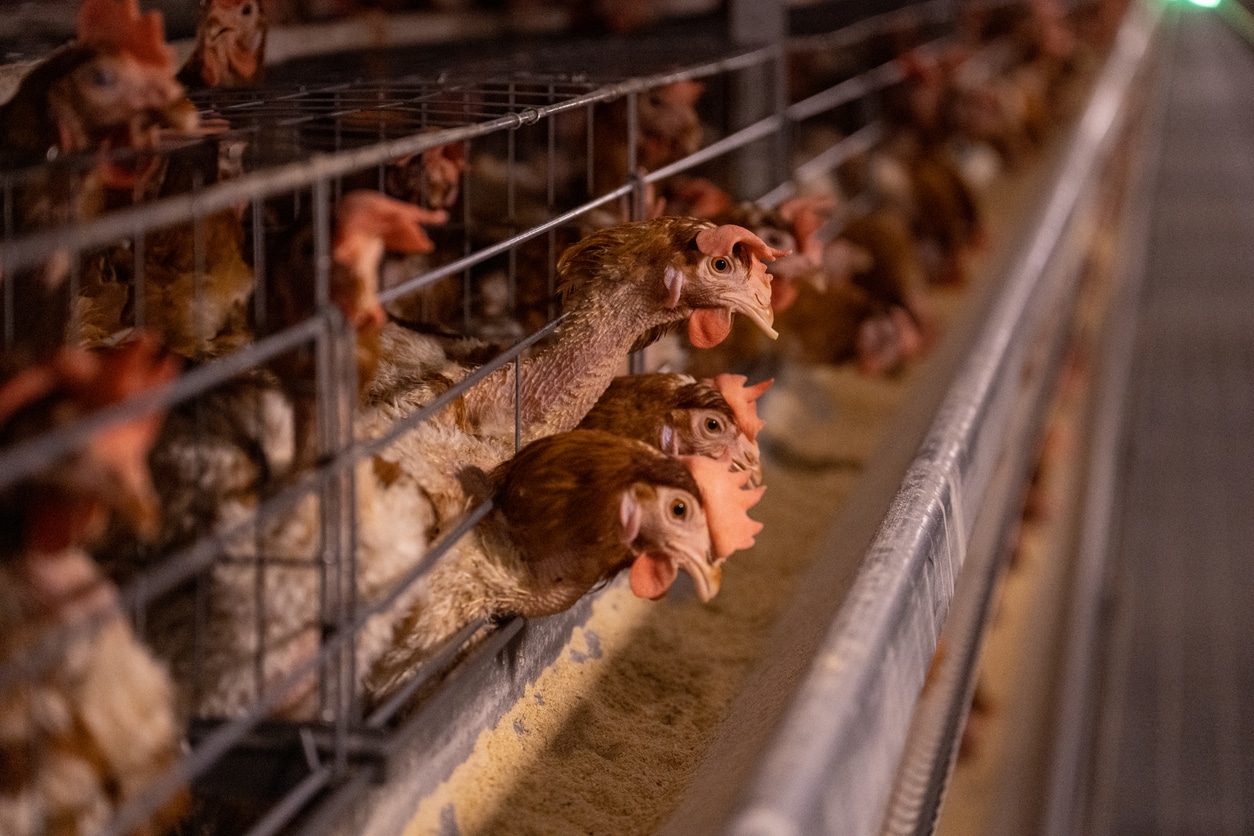
State officials confirmed on Thursday that a fourth person in California has contracted bird flu, as the virus continues to spread in the state’s dairy industry. The individual, like the previous cases, works in the agricultural Central Valley and had contact with infected dairy cattle, according to the California Department of Public Health.
All four individuals have experienced mild symptoms, including eye redness and discharge, and none have required hospitalization. Health officials noted that there are no known links between the cases, suggesting a broader spread of the virus among dairy herds.
Bird Flu Transmission and Risks to Workers
So far this year, 17 people across the U.S. have been infected with bird flu, most of whom had contact with infected dairy or poultry livestock. Two additional people in California’s Central Valley are suspected of having contracted the virus, with confirmation pending from the Centers for Disease Control and Prevention (CDC).
State officials emphasized that while the risk to the general public remains low, those who work closely with infected animals are at greater risk of contracting bird flu.
Virus Strain Shows No Significant Mutation
California’s first two cases were confirmed as being caused by a virus strain closely related to those found in infected dairy cows, according to CDC officials. Importantly, no genetic changes in the virus have been detected that would increase its ability to spread among people or reduce the effectiveness of antiviral medications used to treat bird flu.
Preventive Measures for Agricultural Workers
Nearly 100 dairy farms in central California have reported confirmed bird flu cases in cattle. Health officials have advised workers in the dairy industry to wear personal protective equipment, including N95 respirators, goggles, face shields, and gloves, to reduce their risk of exposure to the virus.
As the outbreak continues to develop, state health agencies are closely monitoring the situation and urging agricultural workers to take precautions to prevent further infections.