











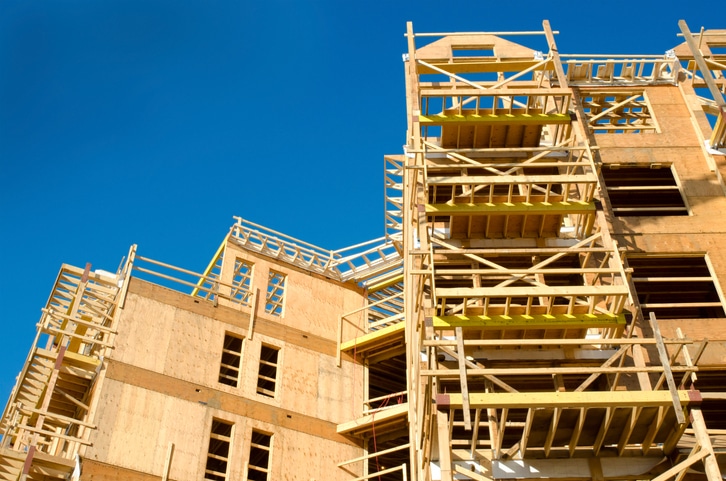
California lawmakers are exploring a new approach to address the state’s housing shortage. A recently introduced legislative package focuses on expanding factory-built housing, including a proposal that would involve the state in construction insurance.
Per Cal Matters, Assemblymember Buffy Wicks of Oakland, along with a bipartisan group of legislators, introduced several bills to encourage cost-cutting construction methods. The package places particular emphasis on factory-based building, where homes are constructed off-site and transported for installation.
Supporters of factory-built housing point to several potential benefits. These include faster construction timelines, safer working conditions, and lower overall costs. These efficiencies are expected to help make housing more affordable. However, despite long-standing interest in the concept, the industry has not reached large-scale adoption. Industry advocates cite regulatory and financial barriers as key challenges.
One proposal, Assembly Bill 2166, takes a different approach from the rest of the package. Authored by Wicks and Assemblymember Juan Carrillo of Palmdale, the bill aims to provide insurance guarantees for developers and lenders working with factory-built housing. While details remain limited, the bill would position the state as a reinsurer in certain situations.
This approach would mark a departure from previous housing policy efforts in California. Tyler Pullen, a researcher at the Terner Center for Housing Innovation at UC Berkeley, said the concept is new at the state level. He noted that similar ideas have emerged in discussions with industry stakeholders, though the proposal remains complex and open-ended.
Construction projects often carry significant financial risk. Cost overruns, project delays, and legal disputes are common concerns. To manage these risks, stakeholders rely on financial tools such as surety bonds. These arrangements allow an insurer to guarantee payment if a contractor or subcontractor fails to meet obligations.
Surety bonds provide reassurance to developers and lenders. According to Michael Merle, business development director at Autovol, a bonded project reduces financial exposure if a part of it fails. However, obtaining a bond can be difficult for factory-based builders, especially newer companies without an established track record.
The bill identifies a “self-reinforcing cycle” affecting the industry. Developers and lenders often require bonding due to concerns about factory reliability. At the same time, factories struggle to secure bonding without proven financial performance. This dynamic can limit opportunities for newer manufacturers and restrict industry growth.
Under the proposed legislation, the state would partially back surety bond payouts in certain extreme cases. The goal is to increase insurer confidence, which could lead to broader bonding availability. In turn, developers may feel more comfortable engaging with factory-built housing providers.
The concept resembles existing guarantee programs in other sectors. Federal entities such as the U.S. Department of Veterans Affairs, Fannie Mae, and Freddie Mac guarantee mortgages to encourage lending. The Small Business Administration provides surety bond guarantees for small businesses. California currently operates a loan guarantee program for health care facility construction, though it does not extend to housing.
Industry response to the proposal has been mixed. Some stakeholders view the measure as a way to support emerging manufacturers. Others question whether it addresses the most pressing barriers.
Ryan Cassidy, vice president of real estate at Mutual Housing California, expressed skepticism about the approach. His organization already uses factory-built housing and works with established manufacturers. He suggested that direct financial support for projects may be more effective than insurance-related incentives.
Merle noted that larger, established factories often have fewer challenges obtaining coverage. However, newer companies with limited project history face greater difficulty securing bonds. The proposal could primarily benefit those newer entrants.
Lawmakers will consider the bill in a legislative committee hearing scheduled for late April. Several details remain unresolved, including the extent of the state’s financial exposure.
Pullen said the proposal is intended to support early adoption of factory-built housing. Over time, he indicated that private insurers may become more willing to provide coverage without state involvement. For now, the approach’s effectiveness remains uncertain.
Get the latest insurance market updates and discover exclusive program opportunities at ProgramBusiness.com.