











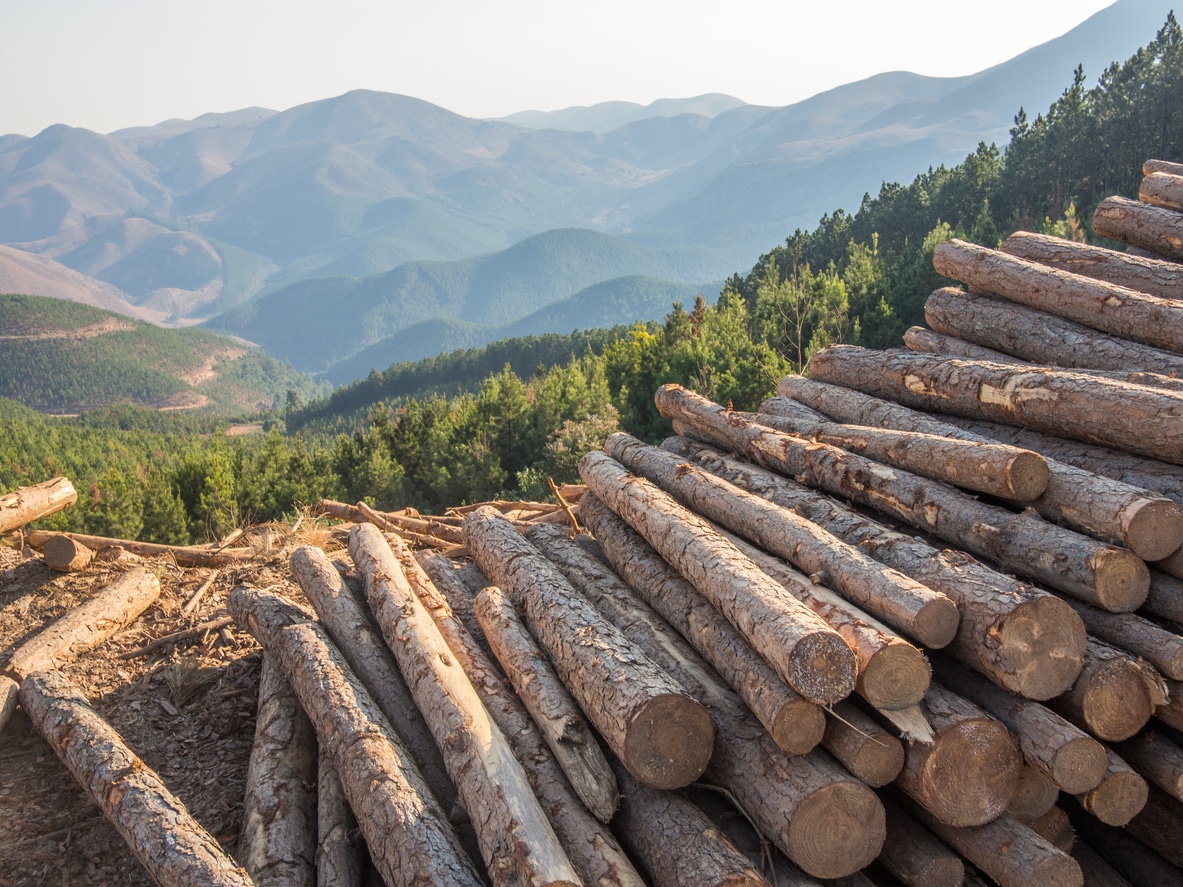
A recent study from the University of British Columbia illuminates a striking link between clear-cut logging and a sharp increase in flood risk — up to 18 times higher — highlighting serious implications for forestry practices in British Columbia.
The Study at a Glance
Researchers analyzed decades of data from the Coweeta Hydrologic Laboratory in North Carolina, one of the world’s longest-running forest research sites. They focused on two similar watersheds (one north-facing and one south-facing) that were both clear-cut in the late 1950s. The key difference? The direction each slope faced.
- North-facing watershed: Received less sunlight, retained more moisture, and after logging, saw average flood sizes increase by nearly 50%. The largest floods were 105% larger than before.
- South-facing watershed: Lost more moisture due to greater sun exposure and showed little to no change in flood behavior post-logging.
These findings reveal that clearcutting doesn’t affect all landscapes equally — topography, soil moisture, and sunlight exposure significantly alter outcomes.
Watershed Behavior and Logging Practices
The study stresses that landscape characteristics—like whether a slope is flat or mountainous or if it includes wetlands or lakes — must be considered before logging. Ignoring these factors can result in serious downstream effects.
A central message from the research is the need for watershed-level impact assessments. Logging in one section of a watershed canhave ripple effects on downstream areas. Failing to account for this interconnectedness could lead to catastrophic flooding events.
Why B.C. Should Pay Attention
The terrain in British Columbia mirrors that of the Coweeta site, making the study’s findings directly relevant. According to the study, B.C.’s ongoing clearcutting practices have already had devastating effects—researchers cited the 2018 floods in Grand Forks as an example, where clearcutting in the Kettle River watershed may have played a significant role.
Current flood prediction models often simplify the relationship between logging and runoff. However, the study found that after clearcutting, flood behavior becomes far more erratic and extreme than those models can predict.
Calls for Reform
Experts cited in the study argue for a precautionary approach to forest management. Selective logging — where only certain trees are removed — was recommended as a more sustainable alternative. It could help preserve forest ecosystems, reduce flood risk, and prevent long-term economic damage from climate-driven disasters.
While the B.C. government acknowledged the study and pointed to ongoing investments in forest and water management, researchers expressed concerns over the slow pace of reforms. Measures like Forest Landscape Planning and selective thinning are being introduced, but clearcutting — particularly of old-growth forests — continues at scale.
This research sends a clear warning: clear-cut logging doesn’t just impact forests—it reshapes entire flood regimes. Without proper analysis and a shift toward more cautious forestry practices, communities downstream may continue to bear the brunt of environmental mismanagement.