











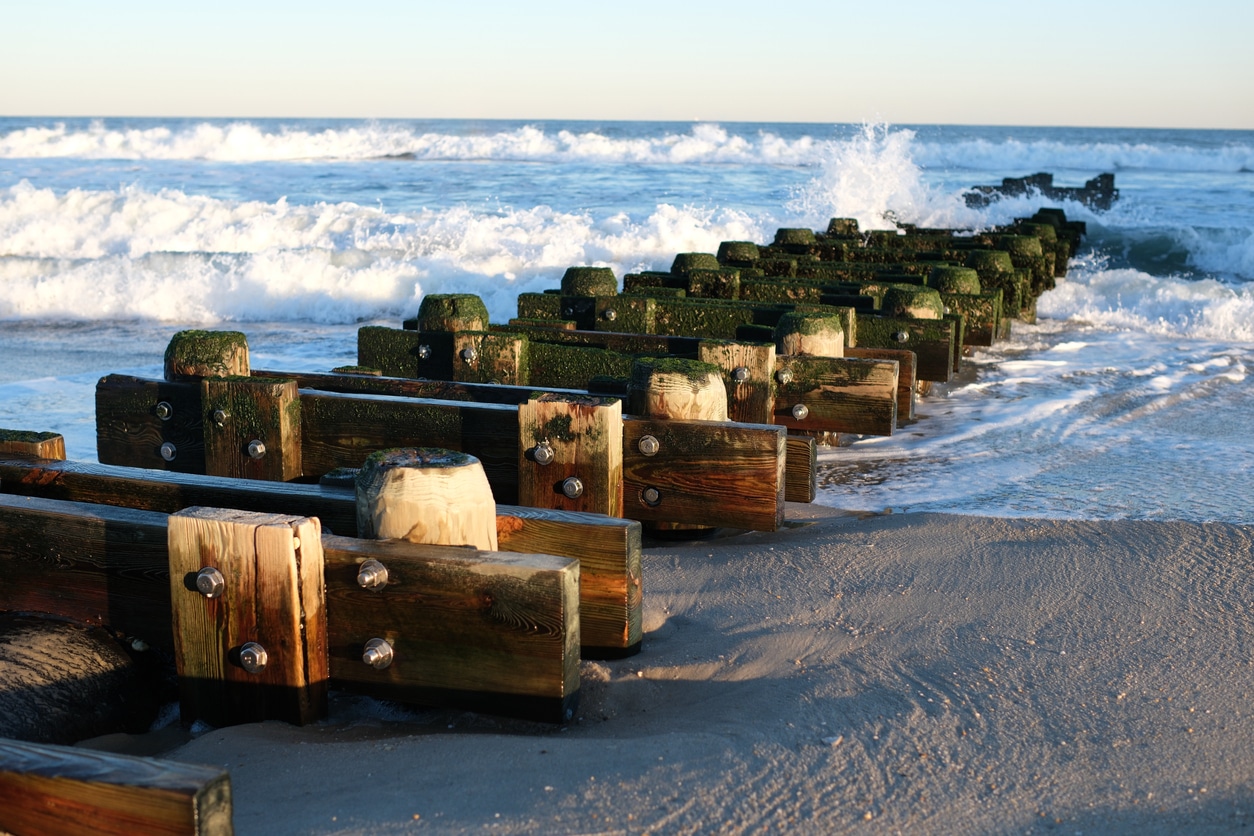
A powerful coastal storm swept up the East Coast over the weekend and into the start of the week, bringing heavy rain, gusty winds, and dangerous surf that caused widespread flooding, beach erosion, and travel disruptions from the Carolinas to New England.
According to AccuWeather, the storm’s strongest impacts were felt along the shoreline, where storm surge sent seawater into coastal communities and waves carved away dunes. Three people were killed, including two in a plane crash during the storm, CNN reported.
New Jersey declared a state of emergency, while Delaware activated its National Guard as the system strengthened. Coastal flooding stretched from North Carolina to New York, with storm surge reaching between three and four feet in several areas — including 3.72 feet at Wachapreague, Virginia; 3.65 feet at Lewes, Delaware; 3.64 feet at the Chesapeake Bay Bridge Tunnel; 3.33 feet in Cape May, New Jersey; and 3.51 feet in Kings Point, New York.
Tropical-storm-force wind gusts were recorded along the mid-Atlantic coast, including 56 mph near Atlantic City, New Jersey, and 60 mph at a buoy near Long Island. Despite its intensity, the National Hurricane Center did not assign the storm an official name. AccuWeather classified it as a “tropical wind and rainstorm” to raise public awareness of its predicted impacts.
In Virginia Beach, residents Lana and Clarence Cooke described the flooding as “pretty intense” and said water levels were higher than usual. Along the Jersey Shore, high tide sent water over docks and into streets in Avalon. In Egg Harbor Township, first responders rescued several people — including a juvenile and a dog — from a flooded motel located miles from the coastline.
The storm also disrupted air travel across the Northeast, contributing to more than 1,700 flight delays, according to FlightAware. About 45,000 electric customers lost power, including 13,000 in New Jersey. While coastal regions experienced the most severe damage, inland areas saw beneficial rainfall following months of drought conditions.
Further south, North Carolina’s Outer Banks faced renewed erosion and damage. Multiple storms this hurricane season have battered the area, causing several houses to collapse into the ocean. Additional buildings remain at risk. Highway 12 was once again inundated with sand and ocean water, rendering it impassable until crews can complete cleanup efforts.
By Monday morning, rain had spread across much of the Northeast, slowing commutes in several cities. Conditions are expected to improve as the storm moves out to sea.
Stay informed and ahead of the curve — explore more industry insights and program opportunities at ProgramBusiness.com.