










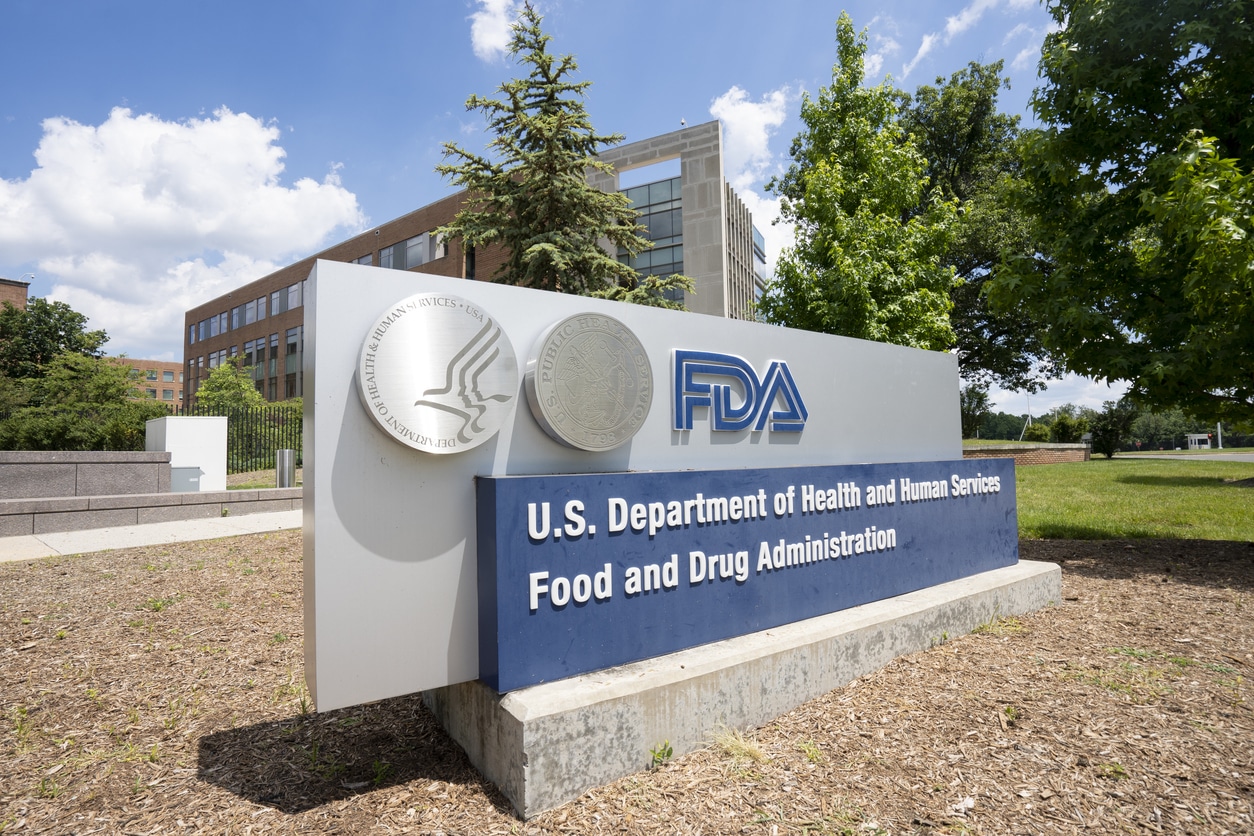
Transparency. Speed. Public safety. These were the central themes of the FDA’s July 9, 2025, letter directed at food industry leaders — specifically those manufacturing or distributing infant formula, baby foods, and other foods for children. In light of recent incidents involving chemical contaminants in these products, the FDA is calling for enhanced recall communication practices that will better protect the nation’s youngest and most vulnerable consumers.
Why the FDA Is Taking Action
The FDA’s message is rooted in urgency and responsibility. When contaminated or dangerous food products make their way into households — especially products meant for babies and toddlers — the speed and clarity of recall communication can make all the difference.
Citing the need for “radical transparency,” the FDA emphasizes that parents, caregivers, and healthcare providers must be able to access clear, timely information about recalls. This includes not only the fact that a product has been recalled, but also why, how to identify the product, and what actions to take.
Highlights From the FDA’s Industry Letter
Here’s a breakdown of the most important points:
Call to Action for the Industry
- Firms must notify the FDA immediately when a decision to initiate a recall is made, per federal regulations (21 CFR 7.46(a) and 107.210(a)).
- The FDA urges broader use of public notifications, particularly for foods for infants and children, even in situations that may not have previously warranted public alerts.
- Industry leaders are invited to collaborate with the FDA to improve how recall information is communicated, including through new digital tools.
FDA’s Immediate (Short-Term) Goals
- Create a centralized, consumer-focused webpage for recall information with an emphasis on infant and child foods.
- Evaluate and update internal/external recall communication protocols to ensure public health priorities are met.
- Improve the Enforcement Report system, allowing the public to better filter and access relevant recall data.
- Use focus groups and stakeholder feedback to enhance how risk communication is structured and shared.
- Accelerate the classification process of recalls through procedural enhancements.
Long-Term Improvements
- Digitize and automate key recall documents to allow for AI-powered data extraction and improved efficiency.
- Develop an advanced digital submission platform for industry partners to standardize and streamline recall reporting and classification.
What This Means for Food Companies
Companies in the infant and child food sectors are now expected to take a more proactive, transparent approach to recalls — one that prioritizes public safety over brand protection. The FDA is not only asking for faster communication, but also smarter, broader, and more accessible communication.
What Comes Next
The FDA’s letter is more than a request — it’s a strategic roadmap toward overhauling the national food recall system. With a renewed focus on public-private partnerships, digital transformation, and risk communication, the agency is aiming to build a recall infrastructure that meets modern demands and, above all, protects children.
As the initiative unfolds, food manufacturers, retailers, and distributors are encouraged to share feedback, adopt best practices, and lead the charge toward a safer, more informed consumer marketplace.
Get the latest insurance market updates and discover exclusive program opportunities at ProgramBusiness.com.