











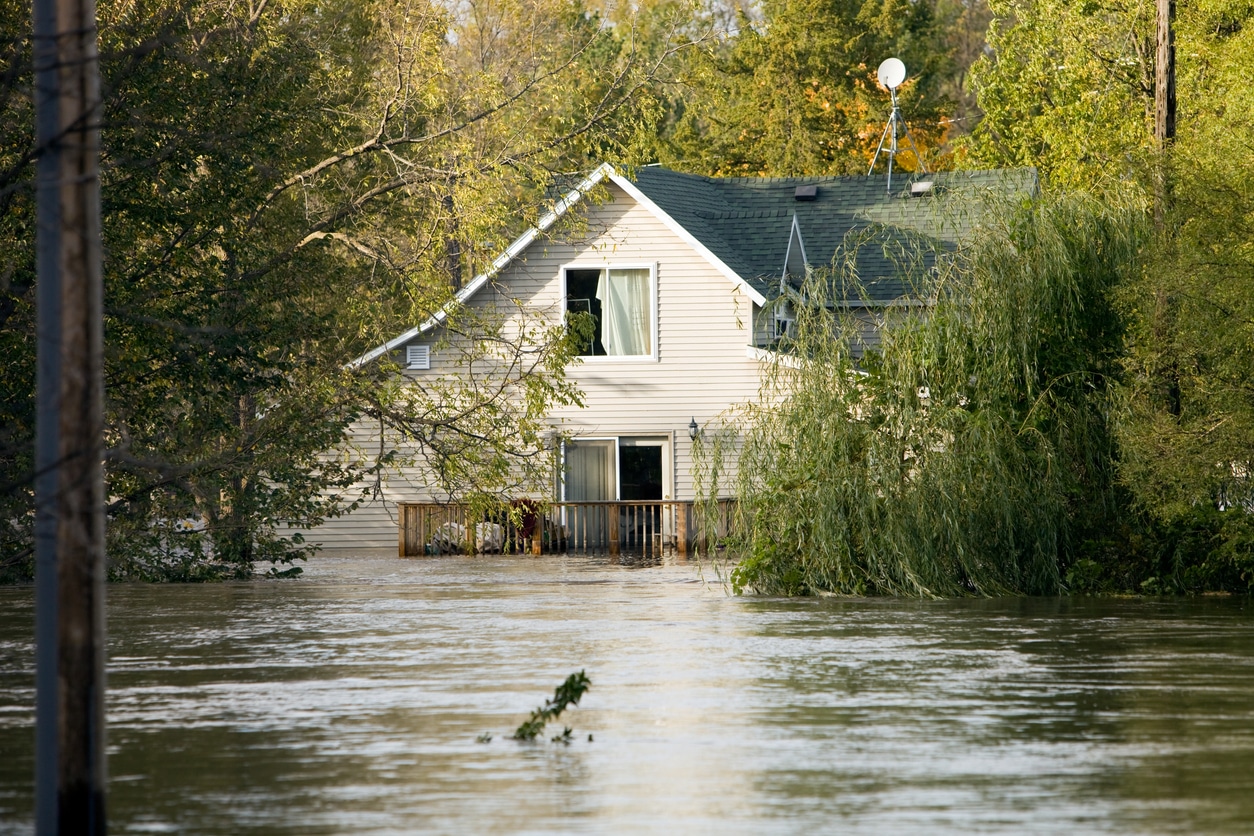
More than 13,000 residents in southeastern Wisconsin are grappling with extensive property damage following record-setting flash flooding over the weekend. As recovery efforts begin, many are discovering that their losses will not be covered by standard home or renters insurance policies.
Thousands of Claims Filed, But Coverage Gaps Remain
Floodwaters inundated homes and vehicles across the region, leading to thousands of insurance claims. However, according to Sarah Smith, spokesperson for the Wisconsin Office of the Commissioner of Insurance, homeowners and renters policies do not cover flood damage unless a separate flood insurance policy has been purchased.
Auto insurance may provide relief for some residents. Vehicles damaged by flooding are typically covered under comprehensive auto policies, though drivers with collision-only coverage are unlikely to receive compensation.
Local Families Facing Severe Losses
Residents such as Derek and Brandon Danowski have spent the past week clearing out their mother’s home on South 81st Street in West Allis, where water reached more than a foot into the first floor. The brothers estimate damages of at least $150,000, none of which will be covered by insurance.
“Everything is gone except for the clothes that were hanging in the closet,” said Brandon Danowski.
The situation underscores a broader challenge: in Wisconsin, only about 10,000 people carry flood insurance policies, even though FEMA has made such coverage available outside traditional flood zones.
FEMA Disaster Declaration Request
Governor Tony Evers has formally requested that President Donald Trump issue a federal disaster declaration for the affected areas. Such a declaration would determine whether federal aid becomes available to individuals as well as governmental units.
“If President Trump declines to issue a disaster declaration, then Wisconsin will not be eligible for federal public and individual assistance,” said Britt Cudaback, spokesperson for Evers.
Wisconsin’s congressional delegation—including Sen. Tammy Baldwin, Rep. Gwen Moore, and Rep. Bryan Steil—has urged the administration and FEMA to act quickly. In a joint letter to Homeland Security Secretary Kristi Noem, lawmakers described the storms as “unprecedented” and called for federal disaster relief without delay.
Next Steps for Residents
If a disaster declaration is granted, affected homeowners may need to present proof of denied insurance claims before qualifying for FEMA assistance. Officials continue to emphasize that even minimal flooding can cause costly damage, reinforcing the need for broader awareness and uptake of flood insurance policies.
Get the latest insurance market updates and discover exclusive program opportunities at ProgramBusiness.com.