











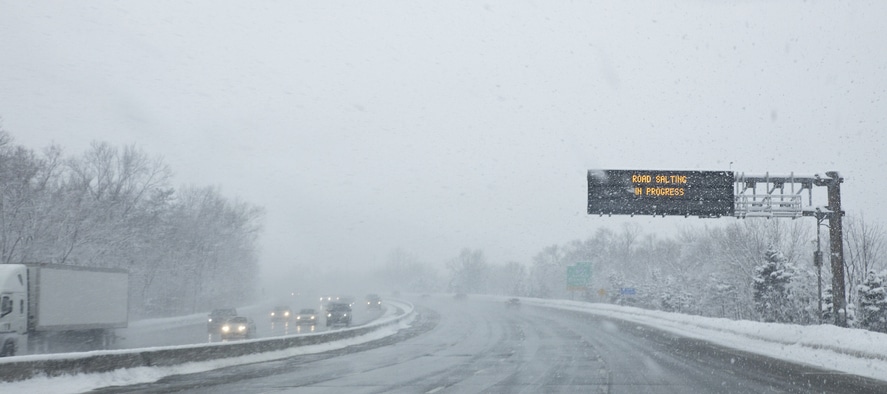
An Inside Climate News report highlights how a recent blizzard that brought two feet of snow or more and extremely high winds across parts of the Northeast also triggered coastal flooding in New Jersey. The storm affected areas, including Atlantic City, and underscored how winter weather events in the state can create overlapping hazards both inland and along the coast.
New Jersey was among the states hit hardest by a recent blizzard that brought two feet of snow or more and extremely high winds across parts of the Northeast. The storm caused flooding in coastal Atlantic City and other towns, highlighting how winter weather events can create multiple hazards across the state.
According to Anthony Broccoli, a distinguished professor of atmospheric science at Rutgers University and director of the Center for Environmental Prediction, storms of this size are not common. Snowfall requires a specific combination of factors, including a strong storm system, sufficient moisture, and temperatures cold enough for precipitation to fall as snow.
In this case, temperatures approached 50 degrees the day before the storm. The system initially brought rain because there was no exceptionally cold air present. However, once the storm intensified, temperatures fell below freezing, allowing significant snowfall to accumulate.
Broccoli noted that New Jersey’s vulnerability to snow is similar to that of many other states. However, the state’s high population density and extensive infrastructure add complexity. New Jersey has more miles of highway per square mile than any other state, creating a large road network that requires plowing and salting during winter storms.
At the same time, the state has approximately 1,792 miles of shoreline, with major population centers along the coast. As a result, a single storm can create both transportation challenges on land and coastal flooding risks.
Nor’easters, in particular, can elevate coastal flood risk. These storms move up the East Coast and generate winds from the northeast. When those winds push water toward the shore, they can raise water levels above normal conditions. Broccoli explained that this dynamic contributed to water levels about two feet higher than normal during the recent storm, resulting in coastal flooding in some areas.
While hurricanes such as Sandy are often associated with coastal flooding, winter storms can produce similar effects, though typically on a smaller scale. The onshore wind component, rather than snowfall itself, drives increases in coastal water levels.
Snow can, however, contribute to inland flooding under certain conditions. Broccoli said that snowmelt alone may not create flooding concerns if it occurs gradually, especially given that New Jersey has experienced relatively dry conditions for more than six months. However, if a heavy rainstorm follows significant snowfall, the combination could drive inland flooding.
He emphasized that snowfall does not directly increase coastal flooding risk. Instead, heavy snow can complicate emergency response and recovery when combined with other hazards, such as elevated water levels and strong winds.
Research on future winter storm trends remains ongoing. Broccoli referenced a recent study indicating detectable trends toward strengthening nor’easters. However, he cautioned that changes need not be dramatic and that storm-track shifts could influence local impacts. Even if storms become more intense overall, their effects on a specific region will depend on whether they directly affect that area.
Broccoli also addressed questions about cold winters and climate trends. He stated that climate change does not eliminate cold weather or snowfall. Long-term trends show fewer cold extremes and more warm extremes, but cold events remain possible. Winter temperatures can vary significantly by location, with some areas experiencing below-average conditions even as broader patterns shift.
In addition, a warming atmosphere can hold more moisture. As a result, when storms do develop, they may be capable of producing heavier rainfall or greater snowfall, depending on temperatures.
Broccoli said that events like the recent blizzard remain possible even in a warming climate. Although long-term patterns may influence storm frequency and intensity, short-term variability means that winters can still bring multiple major snowstorms.
For New Jersey, tightly packed highways and populated shorelines create overlapping risks. A single winter system can disrupt transportation networks while also raising coastal water levels. The combination underscores how snowstorms in the Garden State can extend beyond inland snowfall to include significant flooding hazards.
Stay informed and ahead of the curve — explore more industry insights and program opportunities at ProgramBusiness.com.