











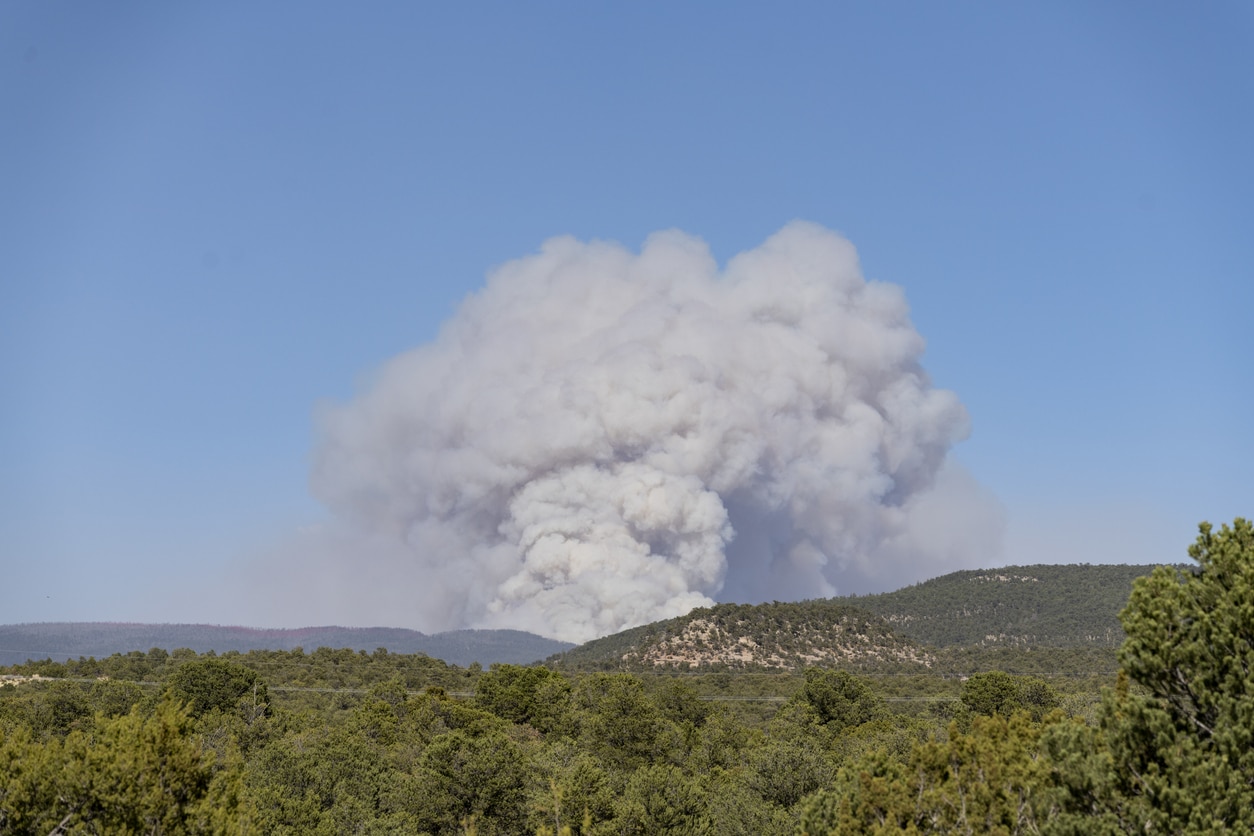
Las Vegas, New Mexico, is embarking on a transformative urban forestry project aimed at mitigating post-wildfire flooding and addressing rising temperatures fueled by climate change. The initiative comes in response to a summer of devastating floods that surged into the city, stemming from the Calf Canyon/Hermit’s Peak fire burn scar. The fire, which was the largest in New Mexico’s history, resulted from two prescribed burns by the U.S. Forest Service that spiraled out of control in April 2022.
Green Infrastructure to Address Flooding and Heat
The revitalization effort seeks to rebuild the city’s urban forest, focusing on strengthening the tree canopy to naturally manage stormwater and provide cooling shade for the city’s residents. Athena Beshur, an urban forestry designer and owner of Seeds of Wisdom, is leading the project. Beshur emphasizes the importance of “climate-appropriate” design, which not only restores the habitat but also improves stormwater retention.
“Everyone deserves to be able to walk out and not get burnt by the heat that’s coming off of asphalt and concrete,” said Beshur. Her team’s approach to urban forestry leverages green infrastructure, including rain gardens and compost veining systems that enhance water infiltration and create cooler environments in urban areas.
Water Conservation and Sustainable Irrigation
A significant portion of the plan will also explore the use of rainwater for irrigation, reducing the city’s reliance on potable water during a time of increasing demand. Parks and green corridors will be designed to help manage stormwater and create more livable, shaded spaces, improving both the environmental and social fabric of the city.
Community Engagement and Next Steps
The project, funded with $200,000 in federal funds from the New Mexico State Forestry Division, is expected to span approximately 10 months. Beshur’s team is responsible for developing the plan, but the implementation will be handled by other entities, with a draft expected in April or May of 2025. The plan will be presented to city officials, who will decide on future management and funding opportunities.
Community involvement is a key component of the project’s development. A public meeting will take place on October 16 at Highlands University, with an online survey also available to gather resident feedback.
Implications for the Insurance Industry
This revitalization effort carries significant implications for the insurance industry, particularly for carriers offering flood, property, and environmental insurance. As cities like Las Vegas take proactive steps to manage flood risk through green infrastructure, insurance providers may need to consider new underwriting criteria that reflect reduced exposure to flood damage in areas benefiting from urban forestry.
Moreover, the focus on sustainable irrigation and stormwater management could influence property and casualty insurance in urban areas, where flood risk and heat-related claims may decrease over time. Insurers should monitor these developments to adjust coverage options, premiums, and risk assessments for municipalities embracing similar environmental strategies. This case could also prompt insurers to offer new products or discounts that incentivize urban forestry and climate-resilient infrastructure, helping clients lower their overall risk profiles.
As climate change continues to exacerbate environmental risks, insurers must stay ahead of initiatives that mitigate those risks and adjust their policies accordingly. Las Vegas’s project could serve as a pilot for other cities and regions facing similar climate-related challenges.