











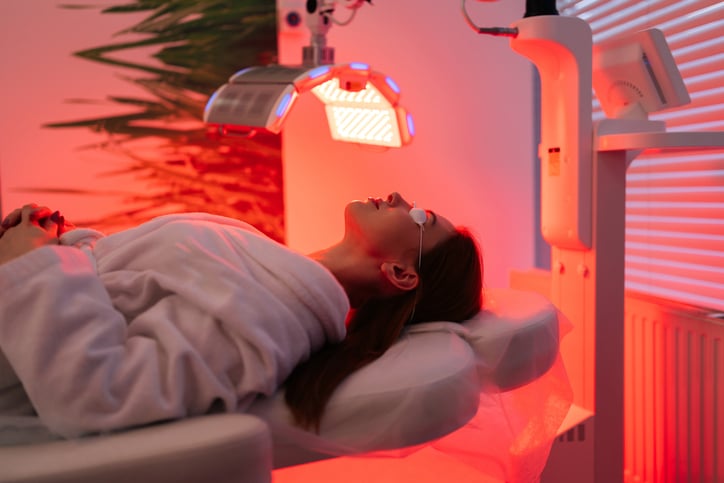
The global light therapy market continues to expand as awareness grows around sleep health, mental health conditions, and non-pharmaceutical treatment options. According to industry estimates from SNS Insider, the market was valued at $1.17 billion in 2025 and is projected to reach $1.79 billion by 2033. This growth reflects a compound annual growth rate of 5.50% during the forecast period from 2026 to 2033.
Market expansion is supported by rising diagnosis rates of sleep disorders, seasonal affective disorder, depression, and circadian rhythm disruptions. At the same time, patients and providers are increasingly turning to non-invasive and non-pharmacological therapies. As a result, light therapy devices are seeing broader adoption across both clinical environments and homecare settings.
Shifting Care Models and Technology Adoption
The move toward home-based care plays a significant role in current market performance. In 2025, homecare light therapy devices accounted for approximately 55% of total device sales. Consumers continue to prioritize convenience, privacy, and accessibility, particularly for chronic conditions affecting sleep and mood regulation.
Technological developments also shape adoption patterns. Wearable, portable, and app-connected light therapy devices are becoming more common, particularly in North America and Europe. These devices support personalized therapy programs and improve patient compliance through mobile integration. As a result, wearable and portable devices experienced double-digit adoption growth during the analyzed period.
In parallel, professional demand remains strong. Mental health and wellness clinics accounted for nearly 40% of professional device usage worldwide in 2025. Clinical applications continue to expand as providers integrate light therapy into broader treatment programs.
U.S. Market Outlook
In the United States, the light therapy market is projected to grow from $0.34 billion in 2025 to $0.49 billion by 2033, representing a CAGR of 4.95%. Market growth in the U.S. is driven by increased diagnosis of sleep and mood disorders, rising homecare utilization, and broader adoption of wearable and portable solutions. Expanding workplace wellness programs also contributes to increased demand for devices.
Product and Application Trends
By product type, light boxes held the largest market share in 2025 at 42.67%. Clinical acceptance for treating seasonal affective disorder and suitability for at-home use supported this position. However, wearable devices are expected to grow at the fastest rate, with a projected CAGR of 7.23%. This growth is attributed to portability, daily usability, and compatibility with health applications.
By type of light, blue light dominated the market with a 38.91% share in 2025. These devices are widely used for treating seasonal affective disorder and regulating the circadian rhythm. Red light therapy is projected to expand at the fastest CAGR of 6.87%, driven by rising awareness of skin health, anti-aging applications, and preferences for improved sleep quality.
Application data shows that seasonal affective disorder represented the largest segment in 2025, accounting for 45.12% of market share. More than 1.9 million units were used globally for this application, supported by strong clinical evidence and higher prevalence in temperate regions. Sleep disorder applications are expected to grow at the fastest rate, with a projected CAGR of 7.01%. Growth is linked to at-home- care convenience, app-based monitoring, and interest in non-drug treatment options.
End-User Distribution
The homecare segment held the largest share among end users in 2025 at 48.76%. Approximately 2 million individuals adopted light therapy devices for home use, reflecting growing awareness of sleep and mood disorder management. Hospitals and specialty centers are expected to grow at the fastest CAGR of 6.95% as clinical applications expand, and non-pharmaceutical therapies are increasingly integrated into patient care programs.
Regional Performance
North America led the global market in 2025, accounting for 39.84% of total revenue. High awareness of sleep and mood disorders, established healthcare infrastructure, and increased adoption of home-based therapy contributed to this position. Growth is also supported by the expansion of mental wellness services and a consumer preference for non-pharmaceutical treatments.
Asia Pacific represents the fastest-growing region, with a projected CAGR of 7.09% from 2026 to 2033. Rising awareness of sleep and mood disorders, as well as the expanding adoption of wellness, are key drivers. More than 750,000 devices were used across homecare and clinical settings in the region, with blue light boxes and wearable solutions accounting for a significant portion of use.
Competitive Landscape and Recent Developments
The market comprises a diverse group of manufacturers and technology providers, including Koninklijke Philips N.V., Beurer GmbH, Verilux Inc., Northern Light Technologies, BioPhotas Inc., and PhotoMedex Inc., among others, across the medical, wellness, and consumer health segments.
Recent product and technology developments highlight ongoing innovation. In December 2024, Beurer introduced the TL35 and TL95 daylight therapy lamps, designed to mimic natural sunlight and support mood, energy, and sleep patterns. Earlier, in September 2025, Philips unveiled new CT and MR platforms at the ASTRO 2025 conference, focused on improving accuracy and efficiency in radiation therapy workflows.
Stay informed and ahead of the curve — explore more industry insights and program opportunities at ProgramBusiness.com.