











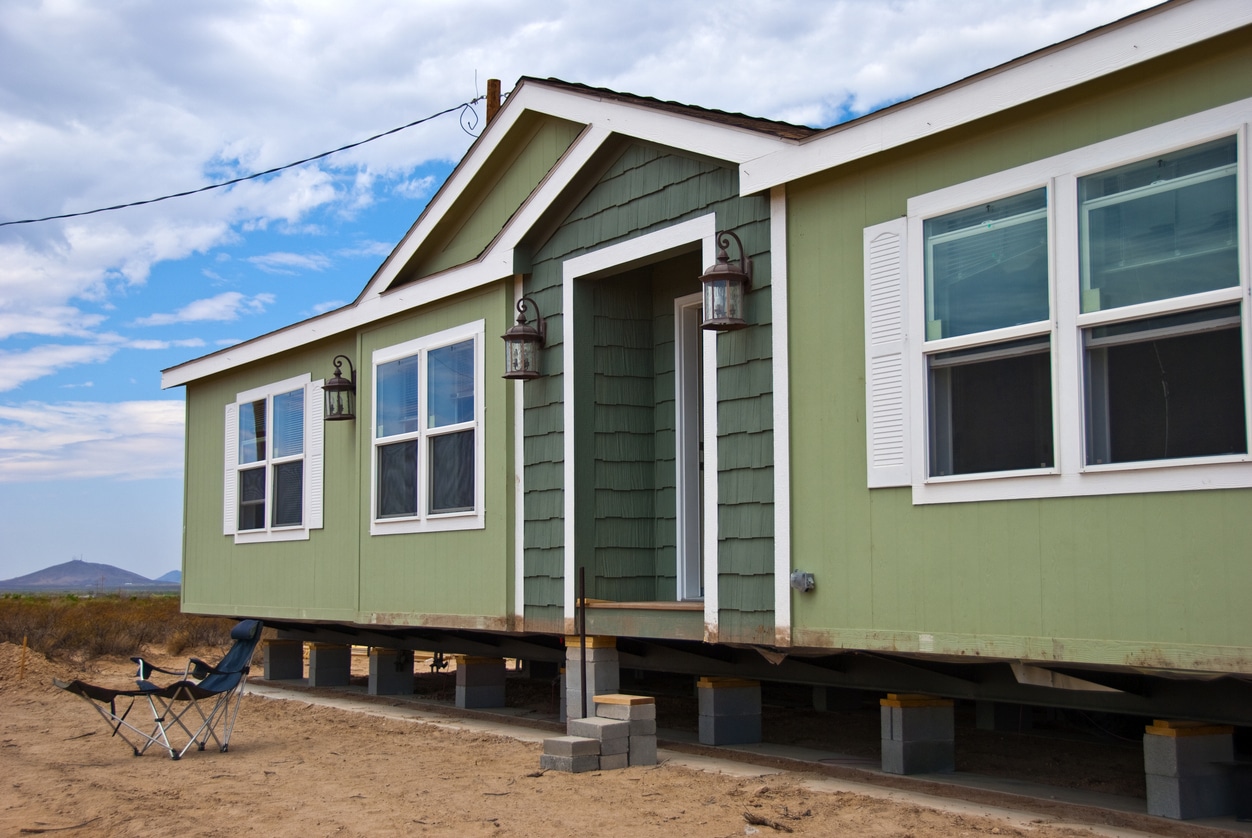
Manufactured housing continues to play a significant role in the United States housing market, particularly in regions where affordability pressures shape demand, according to StorageCafe. Recent data highlight how certain states and cities are now serving as centers of manufactured housing growth. These patterns also connect to broader trends in housing costs, zoning practices, and self-storage development.
National Overview
Across the country, approximately 7.9 million manufactured homes account for 5.4% of all housing units. The Sunbelt stands out with both the highest inventories and the most significant statewide shares. Florida leads with approximately 824,400 units, while New Mexico reports the highest share at 15% of the total housing units.
Affordability remains a central factor. The average newly manufactured home sold for about $123,300 in 2024, which is less than half the national median home price. Although this figure does not include land costs, it underscores the role manufactured housing plays in meeting demand for lower-cost ownership options.
State-Level Highlights
Florida
Florida holds the largest inventory in the country with about 824,400 units. Manufactured homes account for 7.8% of the statewide housing stock. The price difference compared with traditional homes is substantial. The average manufactured home costs around $135,000, while the median price of all home types reaches $397,000. The state also reports nearly 10 square feet of self-storage per person.
Texas
Texas follows with approximately 776,200 manufactured homes, which account for 6.2% of its housing stock. A new manufactured home averages $122,500, compared to a statewide median of $313,000. Zoning flexibility contributes to continued growth. A 2025 legislative requirement directs most cities to establish at least one district where manufactured housing is permitted by right. Over the past twenty years, Texas increased its inventory by 9%.
North Carolina
North Carolina has approximately 525,500 manufactured homes, accounting for 10.4% of the state’s housing. The 2024 average price for a new manufactured home was near $125,000. In comparison, the average price for all home types reached $333,000. A 2025 state bill supported broader placement rights across residential zones.
California
California reports about 507,800 manufactured homes, or 3.4% of its 15 million housing units. The average new manufactured home sold for $167,000 in 2024, compared with a statewide average home price of $759,500. Land scarcity influences availability, although state laws aim to protect existing communities and streamline approvals for smaller developments.
Other Southeastern States
Georgia accounts for 345,500 manufactured homes. South Carolina and Alabama report some of the highest shares nationally, with manufactured housing accounting for 12% to 13% of the total stock. Historical zoning limits shaped development patterns, although recent reforms support increased access. Georgia’s average manufactured home price is $124,800, compared with an average overall home price of $343,300.
New Mexico and Mississippi
New Mexico holds the highest statewide share at 15%. Mississippi follows with 14%. Both states maintain housing markets with prices below the national median of $360,600. In Mississippi, a new manufactured home averages $121,600, while the average cost of a home is $186,500.
City-Level Concentrations
Mesa, Arizona
Mesa ranks first nationally with 29,300 manufactured homes, which make up 13.1% of its housing inventory. Zoning specifies permitted placement areas. The city averages six square feet of storage space per person, with typical monthly rents around $109.
Phoenix, Arizona
Phoenix reports 20,500 units, or approximately 3% of the city’s housing. Storage availability remains close to Mesa’s, at nearly six square feet per person, with average rents around $123 per month.
Jacksonville, Florida
Jacksonville has 15,400 manufactured homes, equaling 3.4% of its 449,900 housing units. HUD Wind Zone II standards apply due to coastal risk exposure. Storage availability reaches 10 square feet per person, with an average monthly rent of approximately $133.
Largo, Florida
Largo leads the country by share. Manufactured homes make up 28% of its 50,400 housing units. Storage availability is relatively low, at approximately five square feet per person, and monthly rents average around $144.
Tucson, Arizona
Tucson reports 14,100 units, which is equivalent to 5.6% of its housing stock. Seasonal and local demand supports steady reliance on storage, although availability varies across neighborhoods.
California Cities
San Jose has 11,700 units, representing 3.4% of its stock. Los Angeles has 10,600 units. Self-storage costs differ significantly. San Jose averages $187 per month, with approximately four square feet of space per person, while Los Angeles averages $267 per month, with about two square feet per person.
Texas Cities
San Antonio has 11,200 manufactured homes, and Houston reports 11,000. San Antonio storage rents average $121 per month. Houston provides nearly seven square feet of storage per person.
Sunrise Manor, Nevada
Sunrise Manor houses almost 10,000 manufactured homes, accounting for 14.2% of its housing stock. Manufactured housing supports affordability in this growing Las Vegas area community.
Links Between Manufactured Housing and Storage Availability
States with extensive manufactured housing inventories often report high levels of self-storage availability. Montana reaches approximately 25 square feet of storage space per person, and Wyoming ranks first among all states at 16 square feet. These patterns reflect the smaller footprints of manufactured homes and the resulting need for external space.
Demographic Trends
Manufactured housing historically appealed to older buyers, including retirees and downsizers. However, Freddie Mac surveys show increasing interest among Millennials and Gen Z as traditional home prices and interest rates rise. Although the average manufactured homeowner remains around age 50, younger households are considering manufactured homes as a potential entry point into ownership.
Industry experts note that modern manufactured homes now feature updated materials, improved energy performance, and contemporary design elements. These developments position manufactured housing as an option for a broader range of buyers.
For more on habitational insurance, see:Top 5 Trending Insurance Markets of October 2025, Part 4: Habitational Insurance