











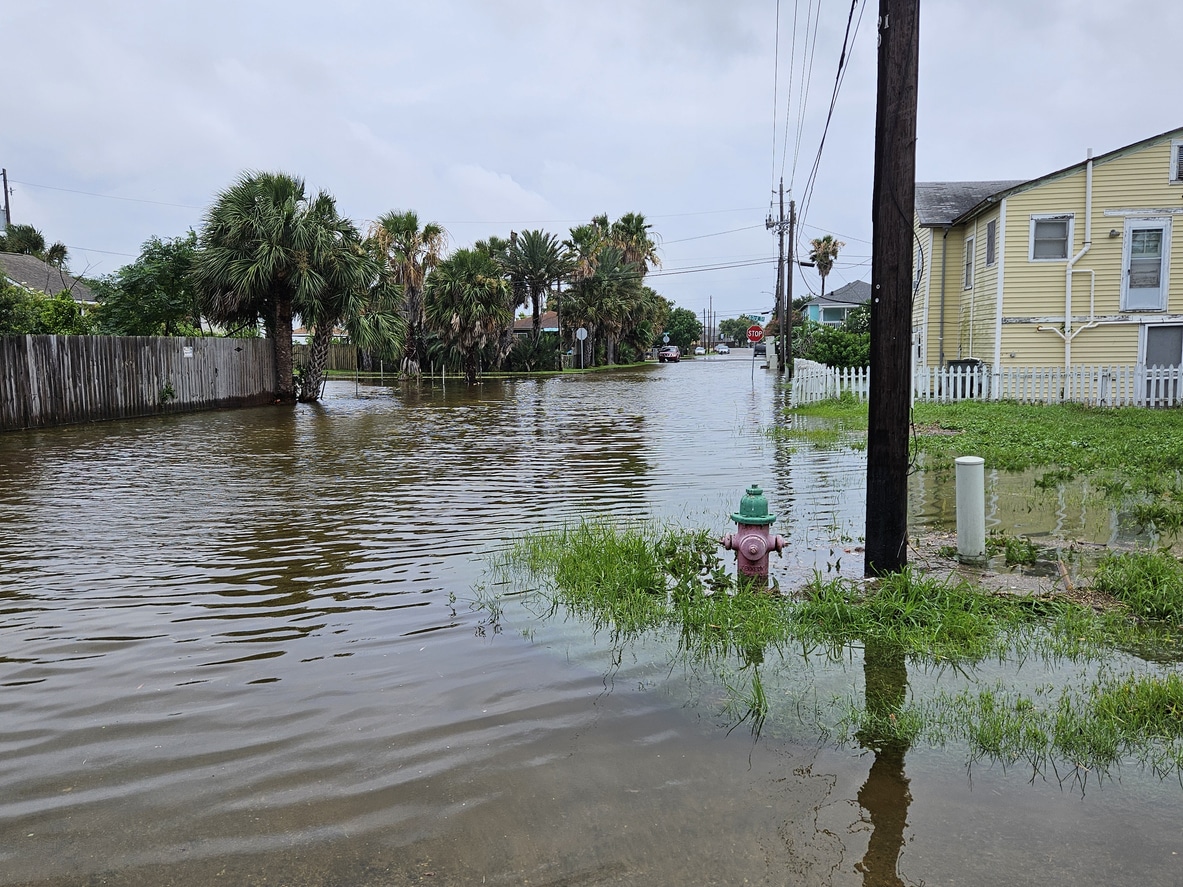
The deadly flash floods that swept through Texas Hill Country in July 2025 underscored persistent gaps in the state’s flood preparedness. Despite recent planning efforts, many communities lack the funding and resources to mitigate flood risks, according to TheConversation.com.
Flood Planning Progress Since 2017
Following the devastation of Hurricane Harvey in 2017, Texas has taken steps toward statewide flood management. In 2024, the state released its first comprehensive flood plan, identifying risks and recommending mitigation projects. The plan requires local governments to adopt and enforce floodplain regulations that meet federal standards, enabling residents to purchase federal flood insurance.
The plan also highlighted the scale of the problem: roughly 5 million Texans live or work in flood-prone areas, and an estimated 1.5 million homes and other structures are in floodplains. Extreme rainfall is increasing, with state climatologists reporting a 5% to 15% rise in one-day precipitation events since the late 20th century and an additional 10% increase expected by 2036.
Rural Communities Face Resource Limitations
In smaller towns and rural areas, a shortage of funding and technical expertise often hampers flood preparedness. Local officials may juggle multiple roles across large geographic areas, such as emergency management, building inspections, and floodplain administration.
While the state provides planning frameworks, local governments are responsible for implementation and enforcement. This includes developing hazard mitigation plans, mapping evacuation routes, identifying vulnerable populations, and integrating hazard planning into land use and development policies. Access to real-time flood gauge data and weather monitoring is also critical, but not always available.
Challenges With Older and Existing Structures
While new construction in many communities must be elevated above flood levels, existing older structures often remain vulnerable. Federal rules only require safety upgrades when a property is substantially damaged, which is defined as damage exceeding 50% of its value.
Retrofitting homes through improved drainage, installing flood vents, or using flood-resistant materials can reduce future damage. Voluntary buyout programs, like Harris County’s post-Harvey initiative that purchased nearly 200 flood-damaged homes for $20 million, have helped families relocate from high-risk areas. However, such programs are costly and out of reach for many counties without state-level funding support.
Examples of Local Initiatives
Some communities have adopted innovative strategies to address flood risk. Liberty and Comanche counties partnered with Texas A&M University’s Texas Target Communities program to integrate land use, hazard mitigation, emergency response, and economic development planning. Houston has enacted strict floodplain regulations, requiring elevated construction and prohibiting development in high-risk zones, earning the city a top rating in FEMA’s Community Rating System, which can lower residents’ flood insurance costs.
The Funding Gap
A 2024 state report estimated $54.5 billion is needed for flood mitigation and management projects statewide. Most of this responsibility falls on local governments, many of which cannot afford the required infrastructure upgrades, retrofitting programs, or staffing needed to enforce regulations.
As extreme weather events become more frequent, the Hill Country floods remind us that without additional resources and support, many Texas communities remain vulnerable to significant flood damage.
Get the latest insurance market updates and discover exclusive program opportunities at ProgramBusiness.com.