











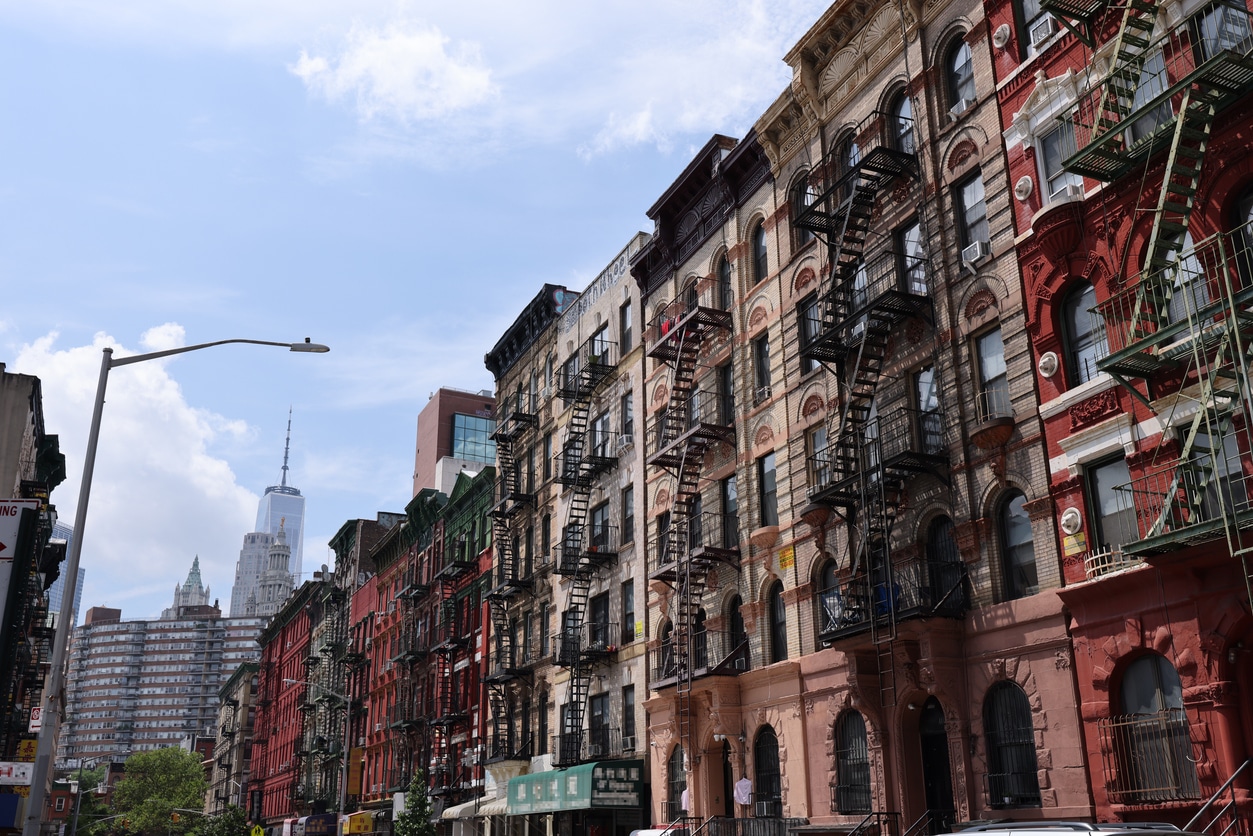
New York City officials have announced plans to introduce a publicly backed insurance program to reduce property and liability insurance costs for landlords of affordable housing and rent-stabilized buildings. The initiative, unveiled by Mayor Zohran Mamdani, seeks to address rising insurance expenses that have affected building operations across the city.
City leaders stated that the program would focus on providing lower-cost coverage while operating alongside private insurers. Although key details, including eligibility requirements and premium structures, remain under development, the city plans to hire a consultant in the coming weeks to finalize the framework.
The program is expected to launch next year, initially covering about 20,000 housing units. Over time, officials plan to expand coverage to 100,000 homes by 2030.
Rising insurance costs are a significant concern for the affordable housing sector. A March 2024 report from the New York Housing Conference found that the average cost to insure an affordable apartment increased more than 100 percent over four years. In addition, a February analysis from New York University’s Furman Center reported a 150 percent increase in insurance costs for many older rent-stabilized buildings between 2019 and 2025.
City officials described the initiative as a response to these trends. According to Deputy Mayor for Housing and Planning Leila Bozorg, the program is intended to address what she described as a market failure affecting the affordable housing industry.
The structure of the program would involve a private entity managing operations, with the city maintaining oversight and a financial stake. Officials indicated that the program would generate revenue through premiums paid by participating property owners and could become self-sustaining over time.
In addition to lowering insurance costs for landlords, the city expects the program to influence housing development financing. Developers of affordable housing often rely on projected net operating income to secure loans. Higher insurance premiums reduce that income, which in turn lowers loan amounts and increases reliance on city subsidies.
City estimates indicate that for every $100 increase in insurance premiums, an additional $1,200 in city capital is required for new development projects. Officials stated that reducing premiums could allow for larger loans and decrease the need for public funding.
Industry stakeholders have acknowledged the focus on insurance costs. Representatives from landlord and real estate groups noted the importance of addressing premium increases, while also pointing to ongoing factors, such as construction-related litigation and workplace injuries, as contributors to rising costs.
The announcement comes amid broader discussions about housing affordability and operating costs in New York City. Landlords have reported adjusting maintenance and operational spending to offset higher insurance expenses, while some property owners nationwide have raised concerns about long-term financial sustainability.
City officials stated that further details on the program will be released as development continues.
Get the latest insurance market updates and discover exclusive program opportunities at ProgramBusiness.com.