











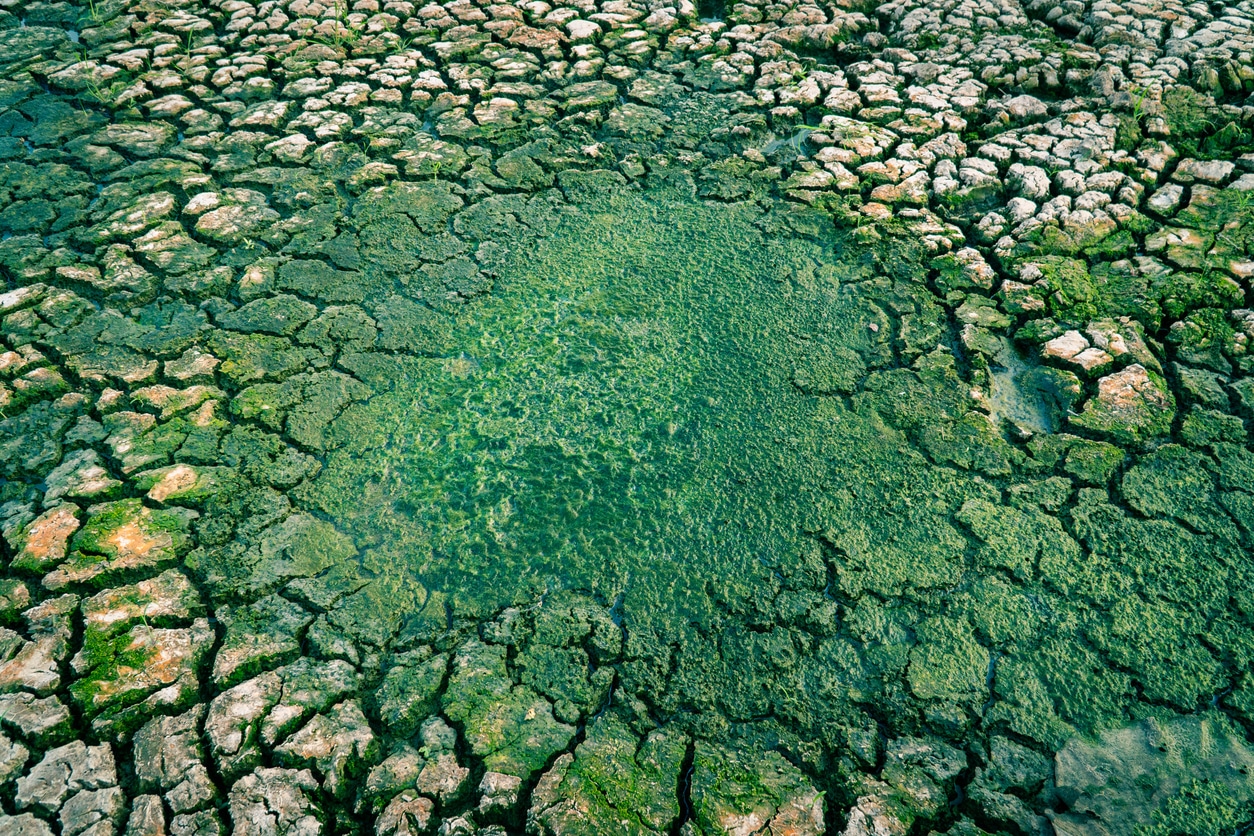
New research and industry signals indicate traditional insurance models may not reliably protect corporate assets as climate risks intensify and interconnect. As droughts, floods, wildfires, and biodiversity decline increasingly interact, the cascading effects are reshaping economies and testing insurability.
Rising Costs And A Widening Insurance Gap
-
The Network for Greening the Financial System estimates economic losses from climate damage could reach 15% of global GDP by 2050 (at 2°C of warming) and 30% by 2100 (at 3°C) — figures published in 2024 that are about three times higher than earlier assessments.
-
The insurance burden — the share of disaster costs shouldered by insurers — has more than doubled over the past 30 years.
-
The gap between total economic losses and insured losses is widening. Examples include State Farm halting new property policies in high-risk U.S. states such as California, and Ping An Insurance paying out more than $19 billion after the 2021 Henan floods in China.
-
The UN projects climate-driven disasters could double uninsured losses to as much as $560 billion by 2030, even without a reduction in coverage.
Climate Risk Without Borders
The World Economic Forum’s Global Risks Report 2025 maps how climate threats interconnect with finance, labor, supply chains, and politics. An extreme weather event can damage property and also trigger resource shortages, inflation, and social unrest — with consequences extending far beyond the insurance sector.
- Between June and August 2025, European heat waves were associated with 24,000 deaths, with scientists linking 16,500 of those to greenhouse gas-driven warming. The resulting strain on occupational health and safety is expected to influence premiums, medical claims and productivity.
- Extreme heat created mobility bottlenecks in 2023, grounding flights in Southern Europe and the U.S. An insurance policy may cover tickets — but not lost productivity or project delays across value chains.
- Resource pressures are mounting: more than one-third of global fish stocks are overfished; cocoa in West Africa and coffee in Brazil face yield threats from heat and drought.
- Regional shocks can reverberate globally. In Taiwan, rising costs tied to flooding, water stress and heat stress could disrupt leading chip manufacturers — affecting downstream industries worldwide.
Five Climate Risk Blind Spots For Boards
- Illusion of predictability — Backward-looking actuarial models do not assimilate intertwined climate-societal risks or capture unprecedented tail events.
- False sense of security — Assumptions that governments or insurers will always provide coverage persist even as some insurers exit high-risk regions.
- Risk oversight gap — The implications of reduced insurability for access to finance and cost of capital are often missing from risk registers.
- Hidden exclusions — Policies frequently exclude pollution liabilities, non-damage business interruption and supply chain risks. The 2011 Thailand floods — which disrupted global auto production — exposed vulnerabilities in just-in-time manufacturing.
- Escalating costs versus coverage — Rebuild and compliance costs can outpace coverage. Pakistan’s 2022 floods caused $14.9 billion in damages and required $16.3 billion to rebuild with greater resilience.
Insurance As A Governance Lever
Insurance is increasingly a litmus test of governance maturity — not a passive backstop. Boards are encouraged to:
- Map interdependencies across housing, transport, supply chains, and resources to support business continuity.
- Build literacy in climate, nature and insurance risks to meet fiduciary duties.
- Shift from compliance-driven scenarios to adaptive, forward-looking risk management.
- Ask which assets could become uninsurable, whether rising premiums could render assets unviable, and where exclusions leave the organization exposed.
- Plan for cascading risks — not just single shocks — and develop strategies to build resilience rather than relying on post-event payouts.
Organizations that continue to treat insurance purely as a backstop risk discovering a critical blind spot. Those that employ it as a governance tool can strengthen resilience, maintain access to capital and support long-term value.
Get the latest insurance market updates and discover exclusive program opportunities at ProgramBusiness.com.