











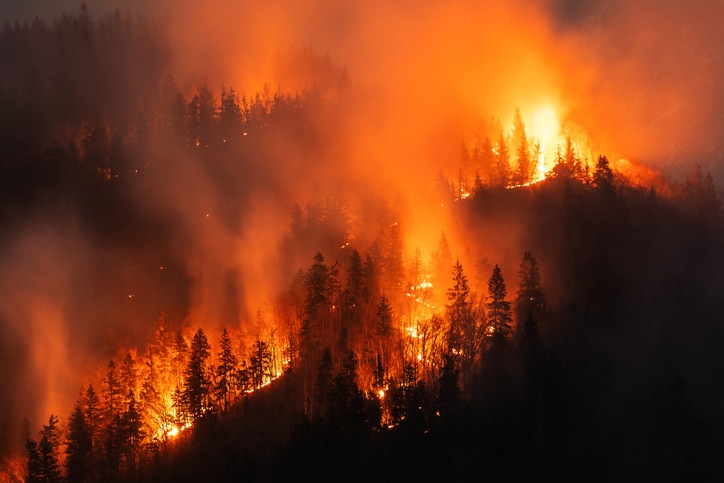
State Farm has issued wildfire safety guidance to its insureds, outlining steps to take before and after a wildfire. The information focuses on preparedness, evacuation, property protection, and recovery.
Wildfire Activity And Risk
Wildfires are fast-moving events that pose risks to people, property, and natural resources. According to the National Interagency Fire Center, wildfires burn more than 7 million acres of land each year. Fire suppression costs average $3 billion annually. State Farm notes that the number and intensity of wildfires have increased in recent years, underscoring the importance of preparation.
Preparedness And Evacuation Planning
State Farm emphasizes advance planning as a key element of wildfire safety. The insurer advises policyholders to create a wildfire evacuation plan and review it with all household members. The plan should identify roles and responsibilities, establish two meeting points in case family members become separated, and include emergency contacts. Regular evacuation drills can help ensure familiarity with the process.
The guidance also recommends identifying water sources within 1,000 feet of a home, such as a well, hydrant, or swimming pool. In addition, State Farm encourages insureds to create a home inventory and review it annually with their insurance agent to confirm adequate coverage.
Emergency Kits And Defensible Space
State Farm advises policyholders to prepare an emergency kit that includes drinking water, nonperishable food, medications, copies of important documents, flashlights, a battery-powered radio, portable chargers, cash, clothing, and pet supplies. The kit should also include N95 masks or respirators.
To reduce ignition risk, the insurer highlights the importance of creating a noncombustible 5-foot buffer around the home. Embers can travel miles ahead of a fire front and accumulate along exterior walls. State Farm recommends removing vegetation and combustible materials within 5 feet of the home and decks, trimming overhanging branches, clearing wood mulch, and replacing it with hardscape materials such as gravel or concrete. The guidance also calls for replacing wood or vinyl fencing within 5 feet of the structure with noncombustible materials such as metal or concrete.
Home Hardening And Monitoring Conditions
State Farm advises installing fire-resistant roofing and siding materials when possible, clearing debris from gutters and roofs, and planting fire-resistant vegetation. The insurer also recommends maintaining smoke alarms and fire extinguishers.
To stay informed, policyholders should monitor the National Weather Service, local news, and weather alerts. State Farm encourages using FEMA and local emergency notification apps, as well as trusted social media channels. If authorities issue an evacuation order, the guidance directs residents to leave immediately.
Shelter In Place And Evacuation Procedures
If sheltering in place, State Farm advises staying indoors, closing windows and vents, moving flammable items away from windows, and sheltering in rooms on the opposite side of the approaching fire. Residents should avoid outside walls.
During a warning or voluntary evacuation phase, policyholders should review their evacuation plan, prepare emergency bags, keep vehicle fuel tanks full, and withdraw cash in case of power outages. If evacuation becomes mandatory, residents should use designated routes, wear protective clothing, and bring emergency kits, medications, and important documents.
Post-Fire Safety And Documentation
After authorities declare it safe to return, State Farm recommends inspecting property for hazards such as live embers, downed power lines or gas odors before entering. Residents should check for structural damage, avoid hot ash and smoldering debris, and wear protective gear during cleanup. The insurer advises using N95 masks when handling ash and dampening debris before sweeping to limit airborne particles.
Additional steps include ventilating the home, following generator safety practices, washing clothing that has been exposed to smoke, and checking with local health departments about water safety. Food, beverages, and medications exposed to heat, ash, or smoke should be discarded.
For claims purposes, State Farm instructs policyholders to document damage with detailed photos and videos, create an inventory of damaged items, and contact their insurance provider promptly to begin the claims process.
During repairs, the insurer advises hiring licensed professionals to assess foundations, electrical systems, and plumbing. State Farm also notes that installing fire-resistant materials during rebuilding can improve long-term resilience.
The American Red Cross can provide additional information on post-wildfire cleanup and recovery.
Stay informed and ahead of the curve — explore more industry insights and program opportunities at ProgramBusiness.com.