











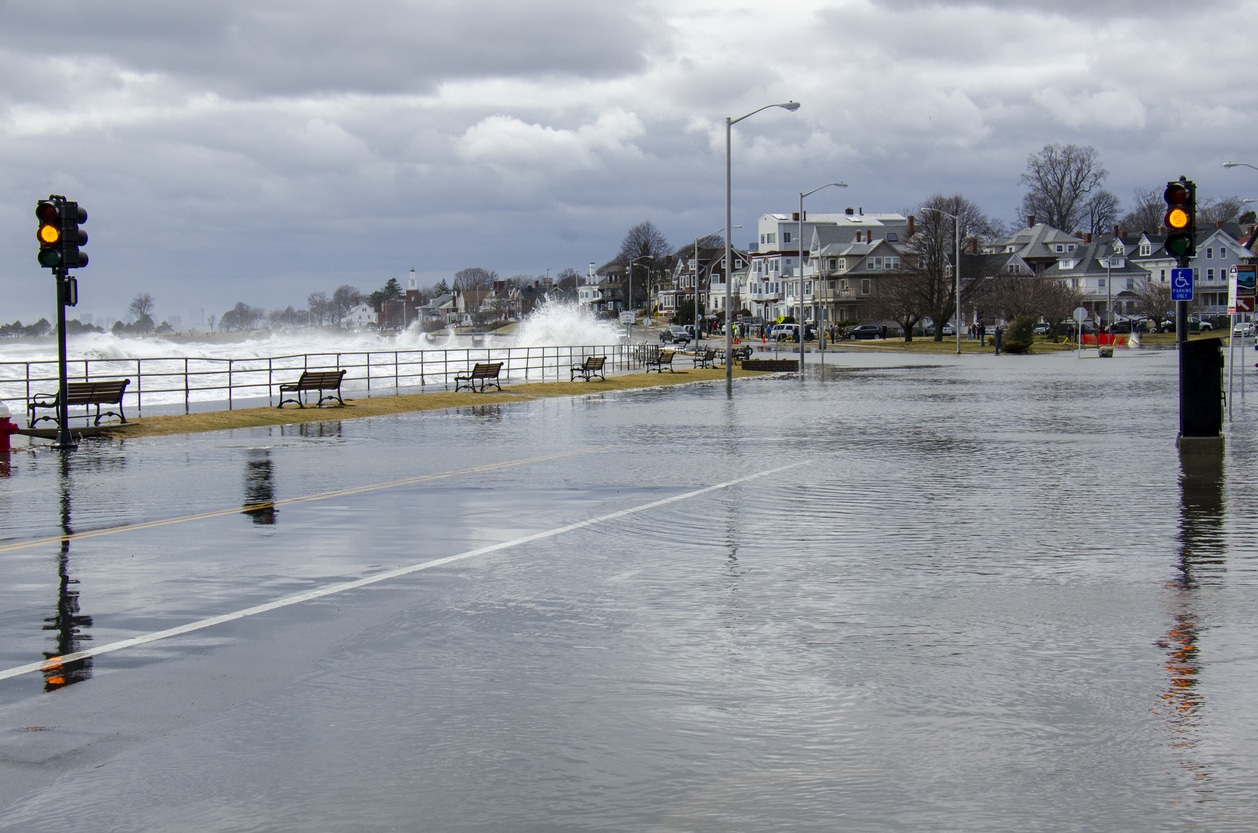
Recent research highlights a concerning trend for East Coast winter storms known as nor’easters. Findings published in the Proceedings of the National Academy of Sciences show that while the total number of nor’easters has declined since 1940, the strongest of these storms are becoming more intense, with rising maximum wind speeds and precipitation rates.
Research Led by Michael Mann and Team
Michael Mann, Presidential Distinguished Professor at the University of Pennsylvania, worked alongside Ph.D. students Annabelle Horton and Mackenzie Weaver to examine historical and projected storm patterns. Mann, who also serves as Vice Provost for Climate Science, Policy, and Action, was first prompted to investigate the issue after a major nor’easter in February 2010 dropped two-and-a-half feet of snow on Philadelphia—one of the city’s largest recorded snowfall events.
The study analyzed storm tracks from 1940 to 2025, focusing on the U.S. East Coast between 33°N and 45°N latitude. Data revealed that the most powerful nor’easters are increasingly destructive, even as the overall frequency of these storms has decreased.
Implications for Coastal Hazards
Mann notes that coastal risk assessments often emphasize the likelihood of stronger hurricanes but overlook the growing intensity of nor’easters. For the mid-Atlantic coast, this poses significant challenges for hazard management.
Nor’easters have long been a source of human and financial risk, bringing heavy rain and snow that can disrupt daily life and damage property. Horton, who studies storm history through sedimentary evidence, emphasized the financial burden:
-
The 1962 Ash Wednesday nor’easter caused more than $150 million in damage along New Jersey’s coast alone.
-
Over the past 40 years, nor’easters have accounted for $5 to $10 billion in damages across coastal communities.
Why It Matters
This research underscores the need for continued monitoring and preparedness as climate change influences storm behavior. Although the storms are not increasing in number, the growing strength of the most extreme nor’easters suggests higher potential for damage in the future, particularly for communities along the Atlantic seaboard.
Get the latest insurance market updates and discover exclusive program opportunities at ProgramBusiness.com.