










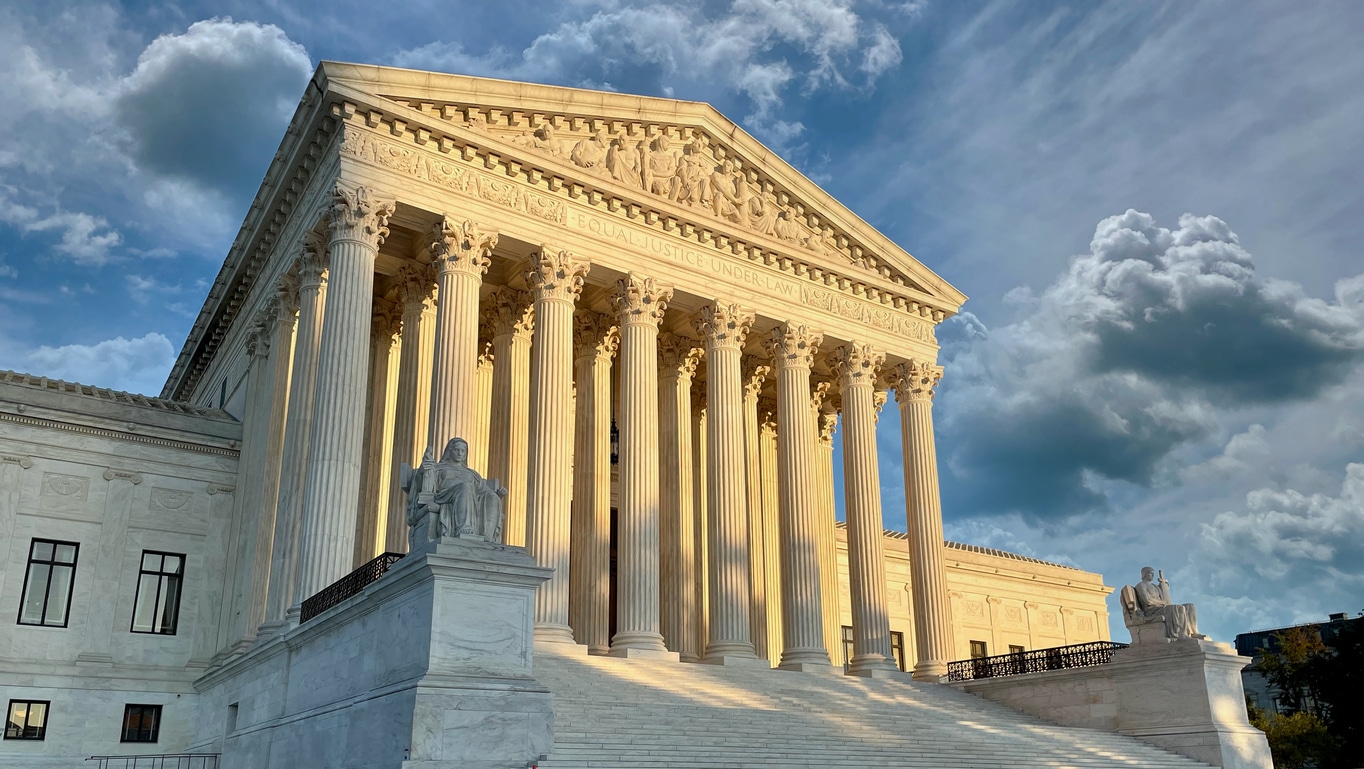
The United States Supreme Court’s recent decision in Truck Insurance Exchange v. Kaiser Gypsum has sent ripples through the insurance and legal industries. This unanimous ruling redefines the role of insurers in Chapter 11 bankruptcy proceedings, particularly in cases involving mass tort liabilities. For years, debtors and creditors have leveraged “insurance neutral” plans to streamline reorganization efforts, but this landmark decision has upended that approach.
The Concept of Insurance Neutrality in Chapter 11
Traditionally, “insurance neutral” plans have been a critical tool for debtors and creditors in Chapter 11 bankruptcy cases. These plans are designed to avoid increasing an insurer’s obligations or impairing their rights under existing contracts, thereby minimizing the insurer’s ability to interfere with the reorganization process. Courts have generally approved these plans, allowing negotiations to proceed without the need for extensive insurer involvement.
The Significance of Truck Insurance Exchange v. Kaiser Gypsum
In the case of Truck Insurance Exchange v. Kaiser Gypsum, the Supreme Court ruled that insurers are “parties in interest” under 11 U.S.C.A. § 1109(b), fundamentally altering the dynamics of bankruptcy proceedings. This decision arose from a dispute in which Truck Insurance objected to a reorganization plan that included a channeling injunction to establish an asbestos personal injury trust, which would be largely funded by the insurer. Truck Insurance argued that the plan was not proposed in good faith and exposed the company to significant risks, including fraudulent claims.
Implications for Insurers: Increased Involvement and Litigation
The Supreme Court’s ruling means that insurers can no longer be sidelined in Chapter 11 proceedings. As “parties in interest,” they now have the standing to challenge reorganization plans, particularly those that could negatively impact their financial obligations. This increased involvement is likely to lead to more contentious negotiations and could prolong the bankruptcy process, making it more expensive for all parties involved.
The Impact on Reorganization Strategies
For debtors and creditors, the decision represents a significant shift in strategy. The days of relying on “insurance neutral” plans to expedite bankruptcy proceedings may be over. Instead, these parties will need to engage more directly with insurers, potentially leading to longer and more complex negotiations. The ruling also sets a legal precedent that could influence future bankruptcy cases, particularly those involving mass tort liabilities.
Broader Implications for the Insurance Industry
Beyond the immediate impact on bankruptcy proceedings, the Supreme Court’s decision may have broader implications for the insurance industry. Insurers may need to reassess their underwriting and risk management strategies, particularly in industries with high exposure to mass tort claims. The ruling could also lead to an increase in litigation as insurers become more proactive in protecting their interests in bankruptcy cases.
A New Era for Bankruptcy and Insurance
The Truck Insurance Exchange v. Kaiser Gypsum decision marks the beginning of a new era in Chapter 11 bankruptcy proceedings. For insurance industry leaders, this ruling underscores the need for vigilance and proactive engagement in bankruptcy cases. As insurers take on a more active role, the landscape of mass tort bankruptcies is set to become more complex, with significant implications for all stakeholders involved.