











"Everyone is stunned," said Mary McSwain, who moved into the 51-year-old Portofino South Condominium in January. "I'm nearing retirement and thought this would be my dream home, but I'm getting priced out."
McSwain, 67, said her dues are increasing from $914 to $1,347 per month, a financial burden that means she will work harder and longer instead of reducing her hours as an attorney.
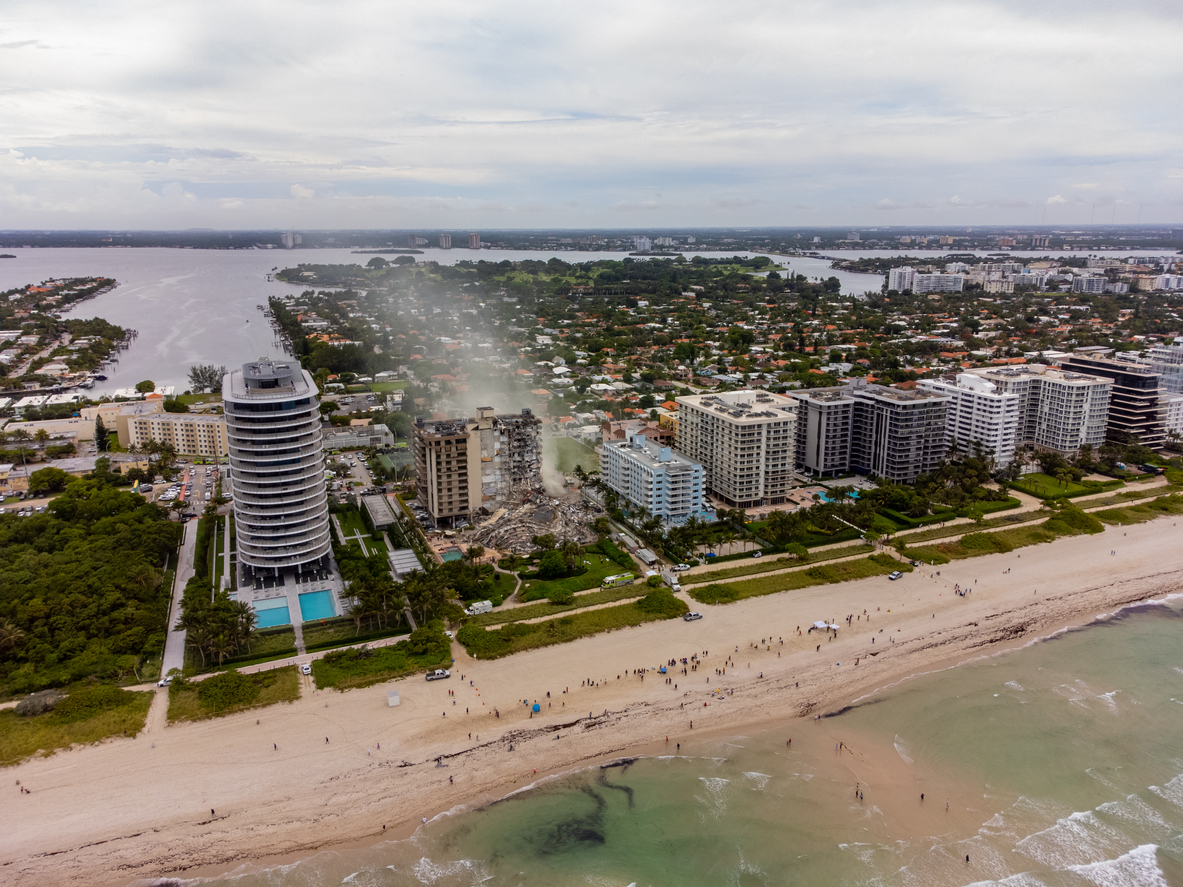
While it's impossible to say how much of the insurance increase is a result of the Surfside collapse, Portofino property manager Robert Gardner said "of course" some of it is a result of the tragedy that killed 98 people on June 24, 2021.
Insurers were already on the ropes statewide before the tower fell; the collapse was a knock-down punch.
Gardner received quotes from only three companies after the association received notices that its insurance would not be renewed under the same terms. The reasons for denials ranged from the building being too old to having cast iron pipes, no sprinkler system, and a roof that is 21 years old.
"It just keeps going," Gardner said. "It's insane right now."
And the new condo law approved during a special legislative session is likely to make it more expensive for owners. The new law went into effect on May 26 after Gov. Ron DeSantis signed it, but the majority of the safety provisions do not take effect until late 2024. It requires maintenance accountability measures on older condos three stories or higher, such as engineering inspections and dedicated reserves to pay for fixes.
The insurance crunch comes first for the 140-unit Portofino South.
And it comes as the Portofino owners prepare for another hit. Unrelated to the Champlain Towers collapse, Portofino is required by law to install a sprinkler system by January 1, 2024, at a cost of at least $7 million.
The new post-Champlain law necessitates a structural integrity reserve study to determine how much money is required for future major repairs to be completed by December 31, 2024. Following the completion of the report, condo boards must set aside funds for the projects identified in the report and cannot use those funds for any other purpose.
"Condo living as we knew it in Florida will no longer exist," said Jan Bergemann, president of the statewide property owner's advocacy group Cyber Citizens for Justice, which has lobbied for increased condo safety regulations. "I can assure you that, as much as these reforms are needed, they will force many homeowners out of their homes because the costs will be exorbitant."
West Palm Beach attorney Michael Gelfand, who served on the Condominium Law and Policy Life Safety Advisory Task Force formed in the aftermath of the Surfside collapse, believes people will be unable to afford what is to come.
Years of lax state oversight, weak regulations, and volunteer condo boards unwilling to levy high dues on their friends and neighbors, he claims, have allowed buildings to deteriorate. According to a previous year's review by the company Association Reserves, Champlain Towers South had approximately $706,000 in reserves as of January 2021. However, projected repairs would cost more than $10 million.
"After decades," Gelfand predicted, "the true cost of housing will be recognized for those who actually own and occupy condominiums." "People will have to relocate if they cannot afford it. That is not an easy statement to make, but it is the truth."
He believes that some condominiums will vote to sell to developers rather than pay millions of dollars in assessments. The process, known as condominium termination, is not new, but it may be appealing to developers who intend to demolish buildings and replace them with new construction. Beachfront properties are in high demand in South Florida, where the real estate market is still thriving.
According to an April Wall Street Journal article, a few Miami-area condos have already sold to developers.
"We'll see the vultures come in, and in some cases, they'll make an offer that can't be refused," Gelfand predicted.
With the insurance market in shambles, some condominiums have sought coverage from the state-run Citizens Property Insurance Corp. Between April 2021 and May 2022, the number of condominium associations in Palm Beach County covered by Citizens in buildings 40 years or older increased by 64%, from 402 to 662. During the same time period, policies on buildings under 40 years old increased by 70%, from 144 to 244.
Portofino South was able to find private insurance this year and Gardner hopes the insurance legislation passed during the special session will help next year.
"But I have no idea what will happen," he admitted.
Some Portofino residents are paying more for individual unit insurance in addition to the association increase. Vicky Ross, 79, had her private carrier cancelled earlier this month and was forced to enroll with Citizens, which included a $500 rate increase. In addition, her monthly dues will increase by $433.
Between April 2021 and May 2022, the number of personal residential condominium policies written by Citizens in Palm Beach County increased by 61 percent in buildings 40 years old and older. It increased by 43% in buildings under 40 years old.
"All I know is that at the end of the month, I won't have the small surplus I used to have," Ross explained.
Margaret Daley, 82, has been a full-time resident of Portofino South condo building for eight years but has been visiting it since her parents bought a unit there in 1971. A former association vice president, Daley said the building has been well maintained, was just painted and recently completed a restoration project.
Even after the Surfside collapse, she has had no concerns about its safety. While she dislikes the higher prices, she is not overly concerned.
Still, Portofino Association President Gregory D'elia is concerned about how owners on fixed incomes will pay for the increases, and he is frustrated with lawmakers for allowing boards to put off repairs for so long. He'd like to install new elevators, but instead he has to budget for the sprinkler system, which was originally required to be completed by the end of 2019 but had its deadline extended to the end of next year.
"My frustration is the Legislature turned a blind eye to this," he said. "Where have you been all this time to ensure that Champlain didn't happen?"
Others are scared of the unknown, including McSwain, who says she'll use her savings to cover the extra costs for the time being.
"I just don't know how many more increases or special assessments can be made," she explained. "A couple of people in our building are on fixed incomes and have stated that they simply cannot absorb this."