











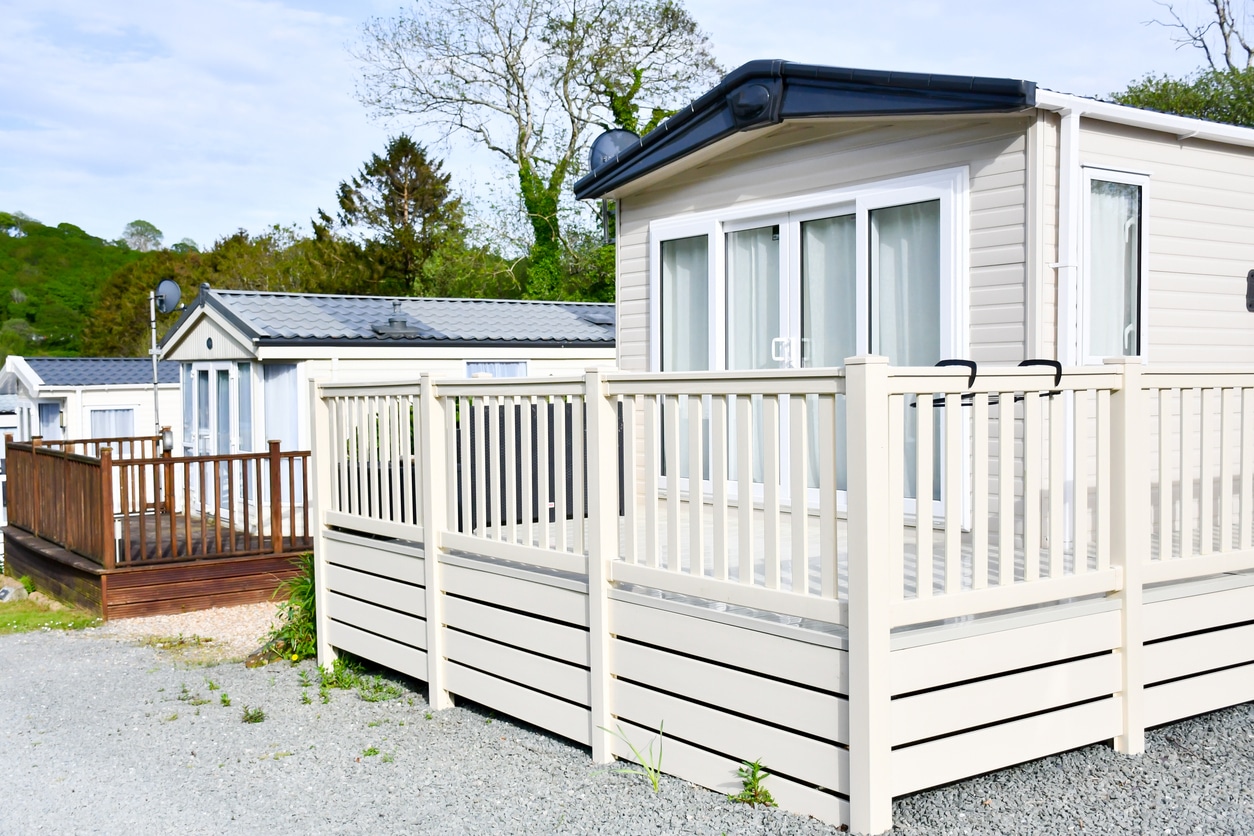
Manufactured homes have long been a cornerstone of naturally occurring affordable housing (NOAH) in the United States, providing shelter for roughly one in every 15 Americans. Many residents are seniors living on fixed incomes, relying on modest homeowners insurance policies to protect their most valuable asset. But a growing crisis in the insurance market is threatening that stability.
Why Manufactured Homes Are Harder to Insure
Manufactured homes face many of the same insurance challenges as traditional homes—but with added complications. Built off-site and transported to a permanent location, these homes are typically secured to a pier-and-beam foundation system with steel bracing attached to I-beams. While they meet federal HUD standards introduced in 1976 to improve safety and durability, insurers still tend to view them as higher-risk properties.
The reasons often cited include:
-
Greater perceived susceptibility to vandalism and theft
-
Vulnerability to wind, hail, fire, and severe storms, especially as climate-driven risks grow
Despite being, on average, half the size of a typical single-family home, manufactured homes are often just as expensive—or more expensive—to insure. Premiums average $700 to $1,500 per year nationally, with disaster-prone states like Florida and California reaching $1,800 or more. In Texas, premiums often range from $1,500 to $2,700 annually—comparable to larger site-built homes.
Real-World Impact: Rising Costs Without Added Benefits
In one Massachusetts community, homeowners have seen premiums double in just three years, without filing claims or changing coverage. For residents already on tight budgets, this means making hard choices just to keep their homes insured.
At a recent public forum, many shared that they now spend a significant portion of their fixed incomes on insurance alone. For these households, their manufactured home is their only asset—and sudden increases in premiums can tip them from stability into crisis.
Limited Competition and a Regulatory Gap
One of the biggest problems in the current market is the lack of insurer participation. Out of roughly 70 carriers in Massachusetts, only 14 will write policies for manufactured homes. This lack of competition means little incentive to keep rates affordable.
Some residents turn to the state’s FAIR Plan—a last-resort program offering basic property coverage to those unable to secure insurance in the private market. While FAIR Plan rates may be lower, the coverage is limited, often lacking the comprehensive protections of traditional policies. That leaves many homeowners underinsured, and at greater risk if they ever need to file a claim.
A Broader Affordability Threat
The situation in this Massachusetts town reflects a larger national issue. Manufactured housing, once considered one of the most affordable paths to homeownership, is now under threat from two directions: rising insurance costs and increasing lot rents as investors purchase manufactured-home parks.
As more insurers pull back and premiums climb, the financial stability of manufactured homeowners is at risk. For many, this is not just an economic problem—it’s about being able to remain in their homes at all.
Stay informed and ahead of the curve — explore more industry insights and program opportunities at ProgramBusiness.com.