











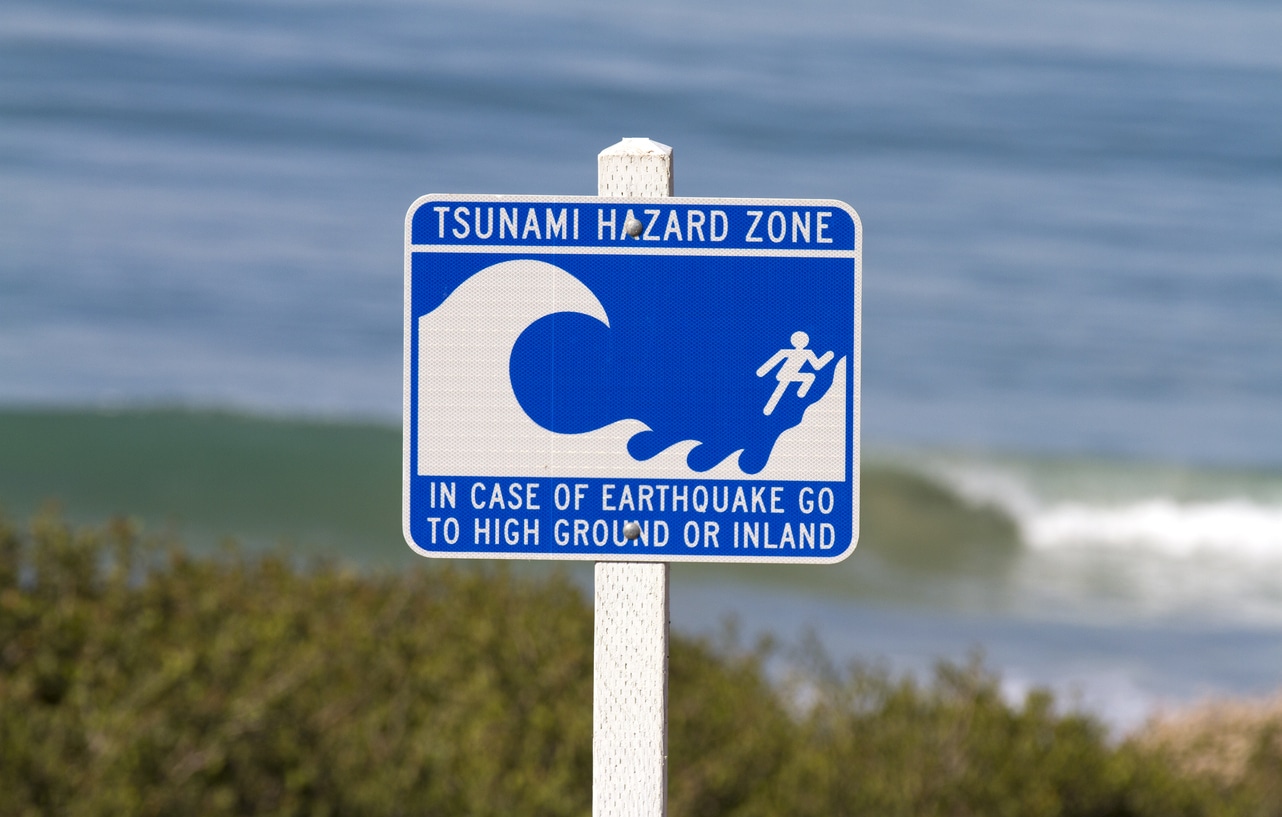
A powerful 8.8-magnitude earthquake struck off Russia’s Kamchatka Peninsula early Wednesday, triggering widespread tsunami alerts and waves that reached across the Pacific Ocean, including Japan, Hawaii, Alaska, and the U.S. West Coast. The quake, which occurred around 8:25 a.m. Japan time at a depth of nearly 12 miles, is tied for the sixth strongest ever recorded.
Immediate Impacts Across the Pacific
Tsunami warnings and advisories were rapidly issued across multiple regions. In Hawaii, sirens blared Tuesday evening, prompting mass evacuations and heavy traffic congestion across Honolulu. Waves as high as 5.7 feet were recorded in Kahului, with 4.9 feet observed in Hilo. The Oahu Department of Emergency Management later downgraded the warning to an advisory, allowing residents to return home while urging continued caution due to persistent strong currents.
California’s coast experienced similar conditions. Crescent City recorded a 3.6-foot wave, while Monterey Bay saw a 1.1-foot surge. A 40-mile section of Northern California remains under a tsunami warning, primarily due to the region’s underwater topography, which increases flood risk.
Global Repercussions and Evacuations
Nearly two million people were evacuated in Japan after the first waves struck. While all tsunami warnings have since been lifted in Japan, advisories remain active along parts of the north and east coasts. Russian authorities also confirmed no casualties, crediting early warning systems and building resilience.
Elsewhere in the Pacific:
- French Polynesia saw wave activity between 3 and 8 feet, particularly in the Marquesas Islands.
- Peru anticipated waves up to 7.6 feet, prompting coastal alerts.
- Chile issued warnings for Easter Island, with evacuations ordered.
- Mexico issued a preventive alert, but reported no major impact.
- Colombia activated a red alert for the Chocó region.
The Galapagos Islands temporarily closed visitor sites as a precaution.
The Science Behind the Threat
The earthquake occurred along the Kuril-Kamchatka subduction zone, a tectonic boundary known for generating massive earthquakes. Experts confirm the seafloor was displaced significantly, triggering the widespread tsunami. Waves from such quakes travel at jet-like speeds and can build to towering heights upon reaching shallower coastlines.
“This is the largest earthquake we’ve had in over a decade worldwide,” said Yale seismologist Jeffrey Park. Other experts emphasized that even smaller waves carry immense energy and warned that hazardous coastal activity can persist long after the initial surges.
Volcano Eruption in Russia
Following the earthquake, Klyuchevskaya Sopka—Eurasia’s highest active volcano—erupted, spewing lava and drawing tourists eager to witness the rare natural event. Despite treacherous conditions, no injuries were reported.
Ongoing Cautions and Advisories
Although some warnings have been lifted, advisories remain in effect across parts of the U.S. West Coast, Alaska, and Hawaii. Authorities continue to advise the public to stay away from beaches and harbor areas due to dangerous currents and the risk of additional wave surges.
According to the National Weather Service, a tsunami is not a single wave but a series of surges that can last for hours. Experts continue to urge vigilance as recovery and monitoring efforts proceed.
Stay informed and ahead of the curve — explore more industry insights and program opportunities at ProgramBusiness.com.