











Rising Premiums and High Rankings
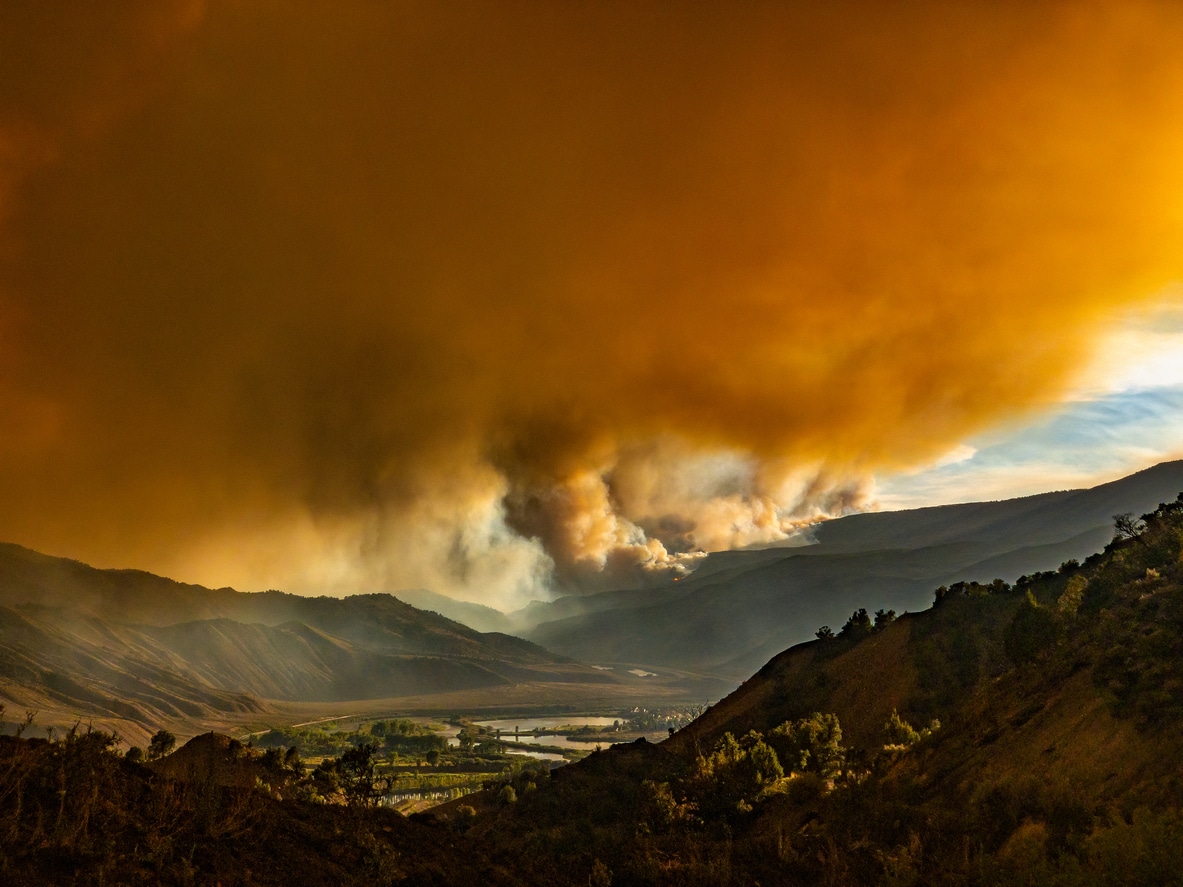
Colorado now ranks as the sixth-costliest state in the nation for homeowners’ insurance. The CSU analysis found that average annual premiums have reached $4,072 for $300,000 in coverage, reflecting a 58% increase from 2018 to 2023. The report attributes this sharp rise mainly to wildfire-related losses and increased development in the wildland-urban interface — areas where residential neighborhoods border natural landscapes.
More than 321,000 homes in Colorado face “moderate or higher” wildfire risk, with potential reconstruction costs estimated at $141 billion, or about 12% of the state’s total housing units. Data from the Rocky Mountain Insurance Information Association and the Federal Insurance Office confirm the upward trend in premiums.
Market Pressures and Insurance Availability
The study’s author, Caroline Conley Norris, noted that insurers operating in multiple states may adjust pricing strategies depending on regulatory environments. Less regulated states like Colorado could see higher premium hikes if insurers attempt to offset losses in more heavily regulated markets such as California.
Insurance companies can also respond to rising risks by reducing coverage limits or declining to renew policies. While Colorado’s non-renewal rates remain lower than those in states like California and Florida, the report shows a slight increase, particularly in rural, eastern regions.
The Challenge of Underinsurance
Many Colorado homeowners may lack sufficient coverage to rebuild after a major loss. After the 2021 Marshall Fire in Boulder County, for example, 74% of affected homeowners were underinsured, with 36% severely underinsured — meaning they carried less than 75% of the coverage needed to replace their homes. Rising construction costs and post-disaster surges in building prices further complicate full recovery for underinsured residents.
Colorado’s FAIR Plan: Insurer of Last Resort
To address coverage gaps, Colorado introduced a FAIR plan in 2025 — a state-backed insurance option for property owners who cannot secure coverage through private insurers. However, eligibility is limited. Applicants must show that at least three private insurers have denied coverage, and affordability is not a qualifying factor. FAIR plan rates are typically higher than private policies, making it a last-resort option rather than a broad safety net.
Norris emphasized that while the FAIR plan provides a critical fallback, it does not eliminate the risk of uninsured losses. Homeowners who are ineligible yet face high premiums may choose to self-insure, a decision that could lead to significant financial exposure after natural disasters.
Key Takeaways for Homeowners
The CSU report underscores the importance of reviewing insurance policies carefully, especially coverage limits and replacement cost provisions. Standard homeowners’ policies generally do not include flood coverage, which must be purchased separately through the National Flood Insurance Program.
As wildfire risks intensify and insurance markets tighten, understanding the full risk profile of a property — now and over the life of a mortgage — remains essential for homeowners across Colorado.
Stay informed and ahead of the curve — explore more industry insights and program opportunities at ProgramBusiness.com.