












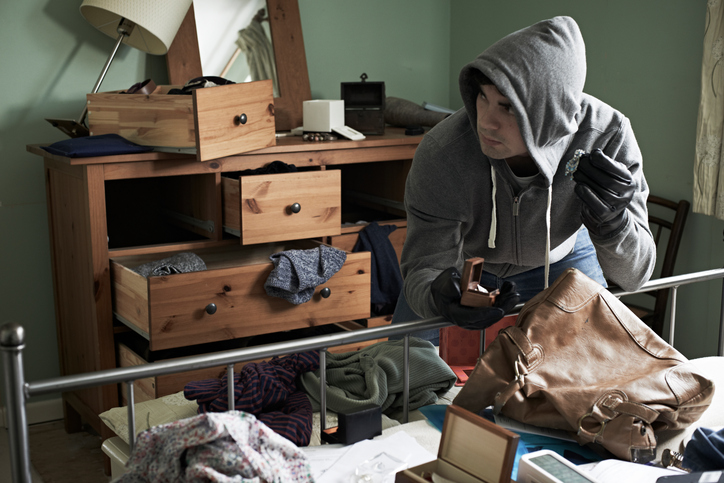
 With burglaries constituting approximately 50 percent of all on-campus crimes, it's important for college students and their parents to take steps to prevent theft, adhere to safety measures-and review their insurance coverage.
Campus coverage basics
It's best for consumers to consult their insurance professional for the details of the family's specific coverage and where they might need additional protections, but here are some general guidelines:
Students who live in a dorm are covered under their parents' standard homeowners insurance policies - That is, their possessions are protected by "off premise" coverage. However, some homeowners policies may limit this amount of insurance, so consumers should talk to their agent and make sure they understand their coverage.
Students who live off campus are likely not covered by their parents' homeowners policy - An insurance agent can advise whether homeowners or renters policy extends to off-campus living situations. If it does not, to protect student belongings, those living off campus may need to purchase their own renters insurance policy.
Computers and smartphones may carry stand-alone insurance - If students are getting these items new, at the time of purchase they may be offered insurance or other protections against theft or loss. Also, they should check the credit card used for the purchase, to see what protections might be available.
Parents and students should consider a stand-alone policy specifically designed for students living away at college. This can be an economical way to provide additional insurance coverage for a variety of disasters.
If college-bound students are leaving the car at home, they should inform their agent. Depending on how far away the school is from home, students and parents may be eligible for a premium discount.
Take pre-campus precautions with belongings
It's better to prevent a loss than to deal with the aftermath. To help prevent loss:
Leave valuables at home, if possible - While it may be necessary to take a computer or sports equipment to campus, other expensive items-such as valuable jewelry, luxury watches or costly electronics-should be left behind or kept in a local safety deposit box. These items may also be subject to coverage limits under a standard homeowners policy, so if they must be brought to campus, students and parents consider purchasing a special floater or endorsement to the homeowners policy to cover them.
Create a "dorm inventory" - Before leaving home, students should make a detailed inventory of all the items they are taking with them, and revise it every year. Having an up-to-date inventory will help get insurance claims settled faster in the event of theft, fire or other types of disasters.
Engrave electronics with IDs - Permanently engraving a name and other identifying information on computers, televisions, smart phones and other electronic devices can help police track stolen articles.
Guard against theft or damage of personal belongings while on campus
According to the National Center for Education Statistics, burglaries constitute more than 50 percent of all on-campus crimes. In addition, carelessness can cause other types of damage. To help prevent losses, students should:
Always lock dorm room doors, and hold onto the keys at all times - Know that most dorm thefts occur during the day, and even if students leave briefly, they should lock up. Share the theft statistics with roommates, and get agreement that they'll do the same.
Don't leave belongings unattended on campus - Classrooms, the library, the dining hall or other public areas are the primary places where property theft occurs, so hang onto book bags, purses and laptops at all times.
Buy a laptop security cable and use it - A combination lock that needs decoding may be just enough to dissuade a thief.
Be aware of fire hazards - Most campus fires are cooking related so students should be careful about the types of hot plates or microwaves they to bring to school, and how they use them.