












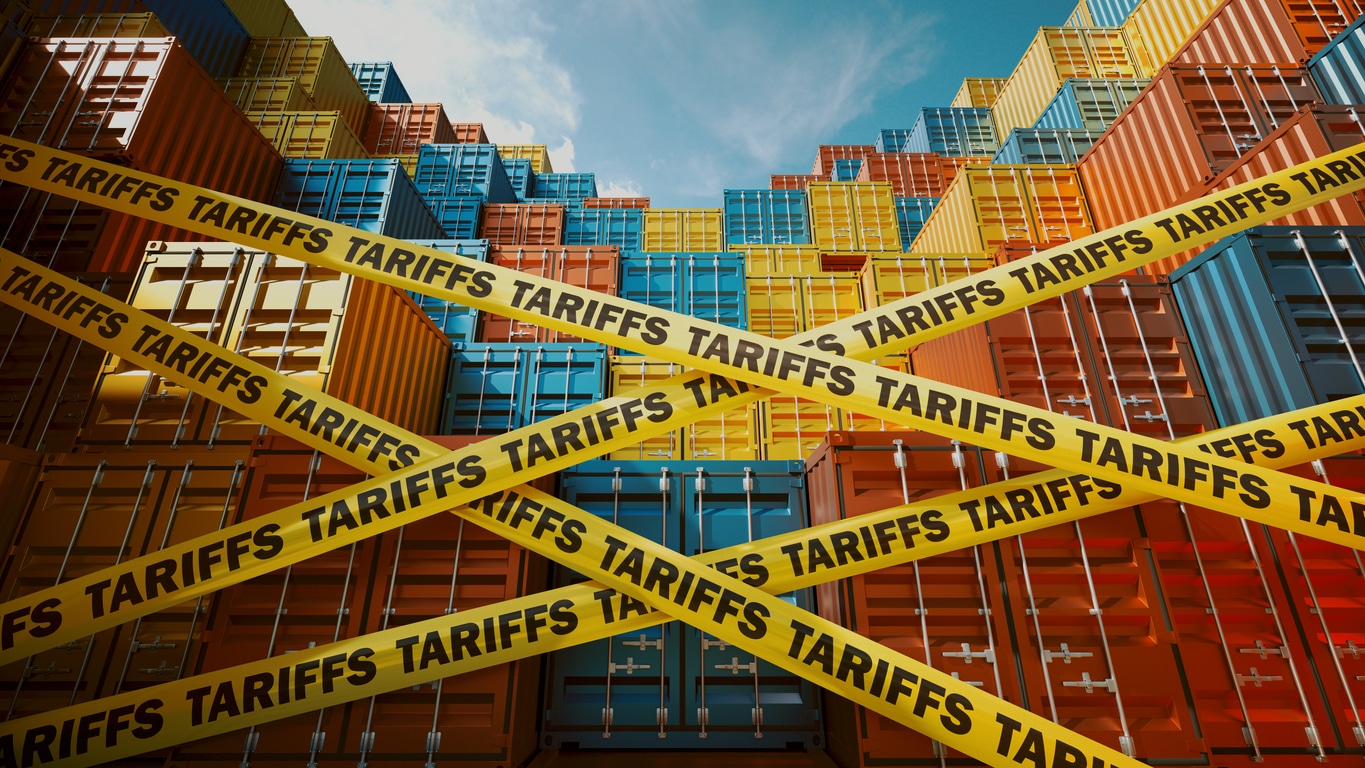
As of Friday, Feb. 20, the U.S. Supreme Court has ruled that President Trump exceeded his authority in imposing tariffs on nearly every U.S. trading partner. The 6-3 decision represents a significant development in federal trade policy and follows months of legal challenges to the administration’s use of emergency powers.
The Court held that Mr. Trump could not rely on a 1970s emergency statute to impose tariffs without congressional approval. Mr. Trump was the first president to assert that the law, which does not reference tariffs, allowed him to unilaterally enact broad import duties. Writing for the majority, Chief Justice John G. Roberts Jr. stated that the statute does not authorize such action. Justices from across the ideological spectrum joined the opinion.
The ruling directly affects a substantial amount of federal revenue. Since the start of last year, the federal government has collected more than $200 billion in tariffs. Before the decision, the administration said that an adverse ruling could require it to unwind trade agreements and potentially refund tens of billions of dollars.
However, the Court did not resolve whether companies that paid tariffs will receive refunds. In dissent, Justices Brett M. Kavanaugh, Clarence Thomas and Samuel A. Alito Jr. wrote that the president should have authority to impose tariffs under foreign affairs powers. Justice Kavanaugh also warned that any refund process could become a substantial “mess.”
In anticipation of the ruling, some companies have hired lawyers, filed suits and submitted claims seeking refunds of previously paid tariffs. It remains unclear whether the federal government will issue refunds. Mr. Trump expressed frustration that the Court did not address the issue directly.
Following the decision, Mr. Trump held a news conference at the White House. He described the ruling as “disappointing” and criticized the justices who voted against his position. He also said he was “ashamed of certain members of the court” and accused some justices of being influenced by foreign interests, although he did not provide details.
At the same time, Mr. Trump announced plans to restore tariffs using alternative legal authorities. He said the administration would use Section 122 to impose a global 10 percent tariff. In addition, he said the administration would rely on Section 301 to initiate investigations into unfair trade practices, which could lead to additional tariffs.
The Supreme Court’s decision removes the administration’s primary mechanism for imposing tariffs under emergency powers. According to Edward Fishman, a former State Department official and director of the Center for Geoeconomic Studies at the Council on Foreign Relations, the ruling will require adjustments in how the administration approaches trade and foreign policy. Fishman said that even if tariffs are gradually reinstated under different authorities, the president will no longer be able to credibly threaten tariffs to advance foreign policy objectives in the same manner.
As of Friday, Feb. 20, the administration has indicated that it will move forward with alternative statutory tools while questions remain about potential refunds and the implementation of new tariff measures.
Stay informed and ahead of the curve — explore more industry insights and program opportunities at ProgramBusiness.com.