












New data from Aon’s 2026 Climate and Catastrophe Insight (CCI) report shows that floods and droughts are driving record economic losses worldwide, presenting growing challenges for insurers, policymakers, and communities alike.
The Scale of Flood Losses
Global economic losses from flooding exceeded $42 billion in 2025 and have surpassed $2 trillion since 2000. In the United States alone, 2025 brought 14 separate 24-hour periods with rainfall amounts equivalent to a 1-in-1,000-year flood, the highest count since 2002. The year also brought catastrophic flash flooding in Central Texas and extensive inundation along the Mississippi Valley.
Flood losses are not limited to the U.S. In China, flooding caused the country’s highest single loss event of 2025, with an estimated $14 billion in damage.
Looking ahead, Aon’s Climate Risk Monitor projects that U.S. pluvial, or rainfall-driven, flood risk could increase by about 12% under a medium-emissions scenario and roughly 19% under a high-emissions scenario by mid-century.
Drought as a Growing Threat
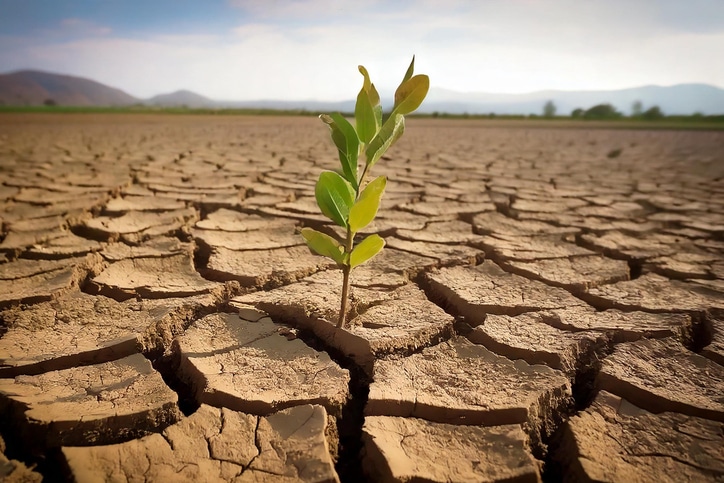
Drought contributed $13 billion in economic losses in 2025. Beyond direct financial damage, the peril produces far-reaching secondary impacts across the economy, particularly as energy demand continues to rise.
A Widening Insurance Gap
Despite the scale of flood losses, insurance coverage remains limited. In U.S. counties that received National Flood Insurance Program (NFIP) payouts for 2025 flood events, only 2.6% of residential structures held NFIP flood policies.
At the same time, private flood insurance is growing. The number of private home flood policies and the total premium paid for those policies more than doubled between 2020 and 2024. This shift points to an evolving public-private insurance landscape that Aon describes as both a challenge and an opportunity.
What the Report Recommends
The CCI report outlines several strategies to reduce losses before they occur. Nature-based solutions, such as wetlands and coastal ecosystems used alongside traditional infrastructure, are gaining attention as cost-effective mitigation tools. Amphibious housing, which can rise with floodwaters, is also emerging as a novel approach.
For the insurance industry, Aon advises (re)insurer clients to review exposure concentrations and expand the use of climate-conditioned scenarios in underwriting, product innovation and capital strategy.
For policymakers, the report emphasizes the importance of regulatory frameworks, land-use planning, building codes and investment in resilient infrastructure to manage the societal impacts of more frequent flooding and drought.
Key Voices
Michal Lorinc, head of catastrophe insight for Aon, noted that floods have become an increasingly impactful natural hazard over the past three decades. He added that the firm continues to invest in catastrophe modeling to help clients better understand their flood exposures and make more informed business decisions.
Andy Neal, managing director of public sector partnership for Aon, said coordination between the public and private sectors will be increasingly important to expand coverage, invest in resilient infrastructure, and use risk insights to inform planning decisions.
Liz Henderson, head of climate risk advisory for Aon, said climate variability is increasingly influencing insurers’ business models. She added that natural catastrophe trends point to a more structurally complex risk landscape where traditional views of risk, based only on historical experience, are no longer sufficient.
Aon’s full 2026 Climate and Catastrophe Insight report is available at aon.io/3LUFi5A.
Get the latest insurance market updates and discover exclusive program opportunities at ProgramBusiness.com.