











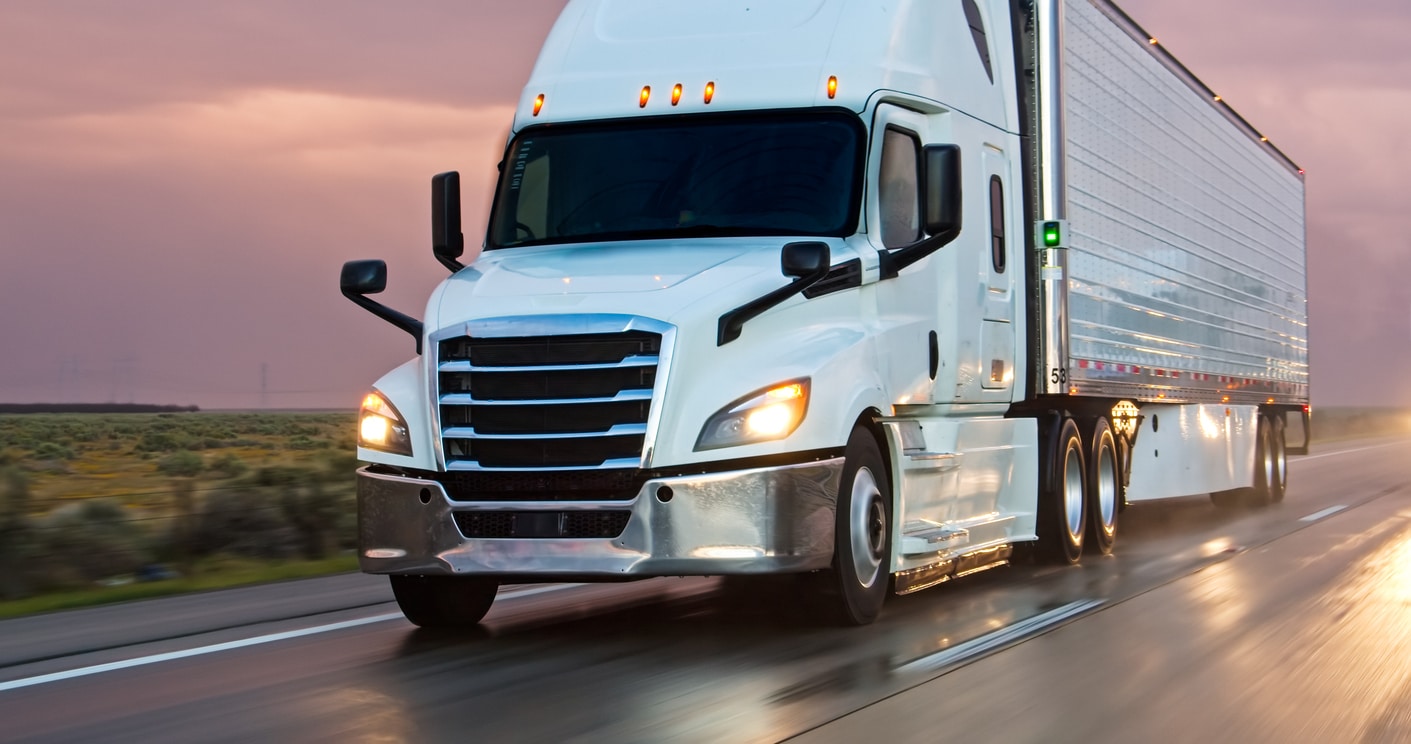
Federal regulators have officially withdrawn proposed rules that would have required large commercial trucks to operate with speed limiters, citing insufficient safety and economic data to support the mandate.
Background on the Proposals
The Federal Motor Carrier Safety Administration (FMCSA) and the National Highway Traffic Safety Administration (NHTSA) canceled two separate rulemakings: one introduced in 2016 during the Obama administration and another revisited in 2022 under the Biden administration. Both initiatives originated from requests by the American Trucking Associations, Schneider National, and other stakeholders.
The proposed rules targeted trucks with a gross vehicle weight over 26,000 pounds and would have capped speeds at 60, 65, or 68 miles per hour. Advocates claimed the limits would reduce highway fatalities and improve fuel efficiency.
Reasons for Withdrawal
In a joint statement, FMCSA and NHTSA cited “significant policy and safety concerns” along with “continued data gaps” that created uncertainty around the estimated costs and benefits of the mandate. They noted several specific challenges:
- Advances in safety technology, such as automatic emergency braking (AEB) and forward collision warning (FCW), may already mitigate many of the crashes speed limiters were expected to reduce
- Crash data uncertainty, as regulators could not determine whether speed differentials between limited trucks and faster-moving passenger vehicles would increase rear-end collisions
- Economic impacts, including unclear estimates of potential losses from slower delivery times, depreciation of perishable goods, and delays in time-sensitive shipments
- Operational challenges, since the mandate could reduce daily driving distances, potentially requiring more trucks on the road to move the same amount of freight
- State-level concerns, with a federal speed mandate potentially undercutting states’ ability to set speed limits tailored to local roadway conditions
Stakeholder Reactions
The rulemakings generated over 16,000 public comments and divided the trucking industry:
- Large carriers and safety groups supported the proposals, citing potential safety improvements and operational savings. Many larger fleets already voluntarily use speed limiters to enhance fuel economy
- Independent truckers and small carriers opposed the mandates, arguing they would reduce efficiency, increase operating costs, and create dangerous speed differences with other vehicles. A coalition of 17 trucking associations warned that a “one-size-fits-all” federal restriction could increase the likelihood of crashes
Projected Benefits vs. Current Realities
The original 2016 analysis estimated that setting a 65 mph limit could save between 63 and 214 lives annually, valued at $716 million to $2.4 billion, along with $848 million in fuel and emissions savings based on 2013 pricing. However, regulators emphasized that these calculations are outdated given today’s vehicle technology and traffic conditions.
The agencies concluded that without updated research and more robust data on speed-related crashes, economic tradeoffs, and new vehicle safety systems, the proposals lacked the necessary justification to proceed.
What’s Next?
FMCSA and NHTSA have not indicated plans to revisit the issue, leaving speed governance policies largely in the hands of individual trucking companies and state regulations. The decision reflects an ongoing balance between safety initiatives, operational efficiency, and evolving technology in commercial transportation.
Stay informed and ahead of the curve — explore more industry insights and program opportunities at ProgramBusiness.com.